
Glendora Parterre Residence | Glendora, CA
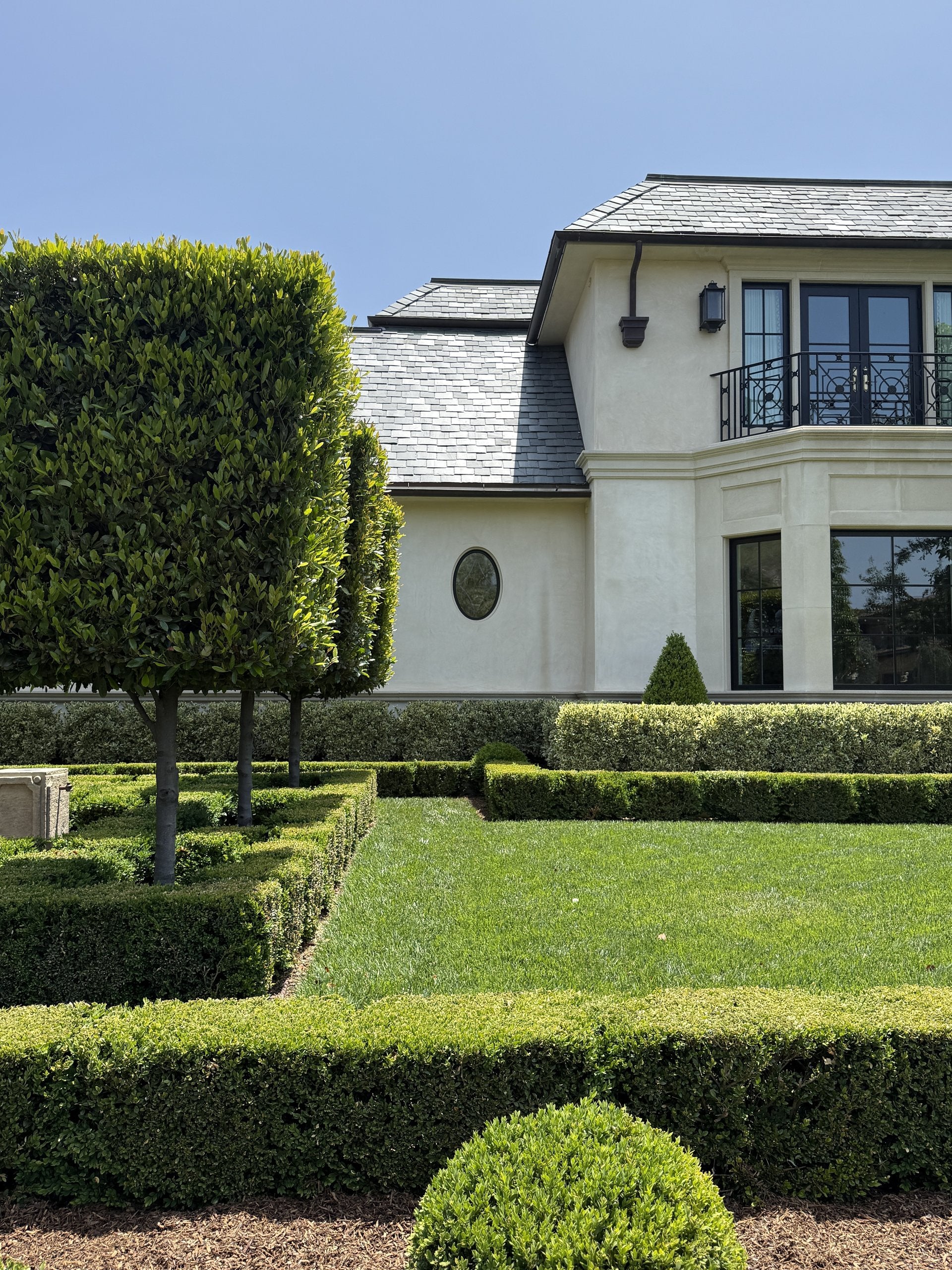
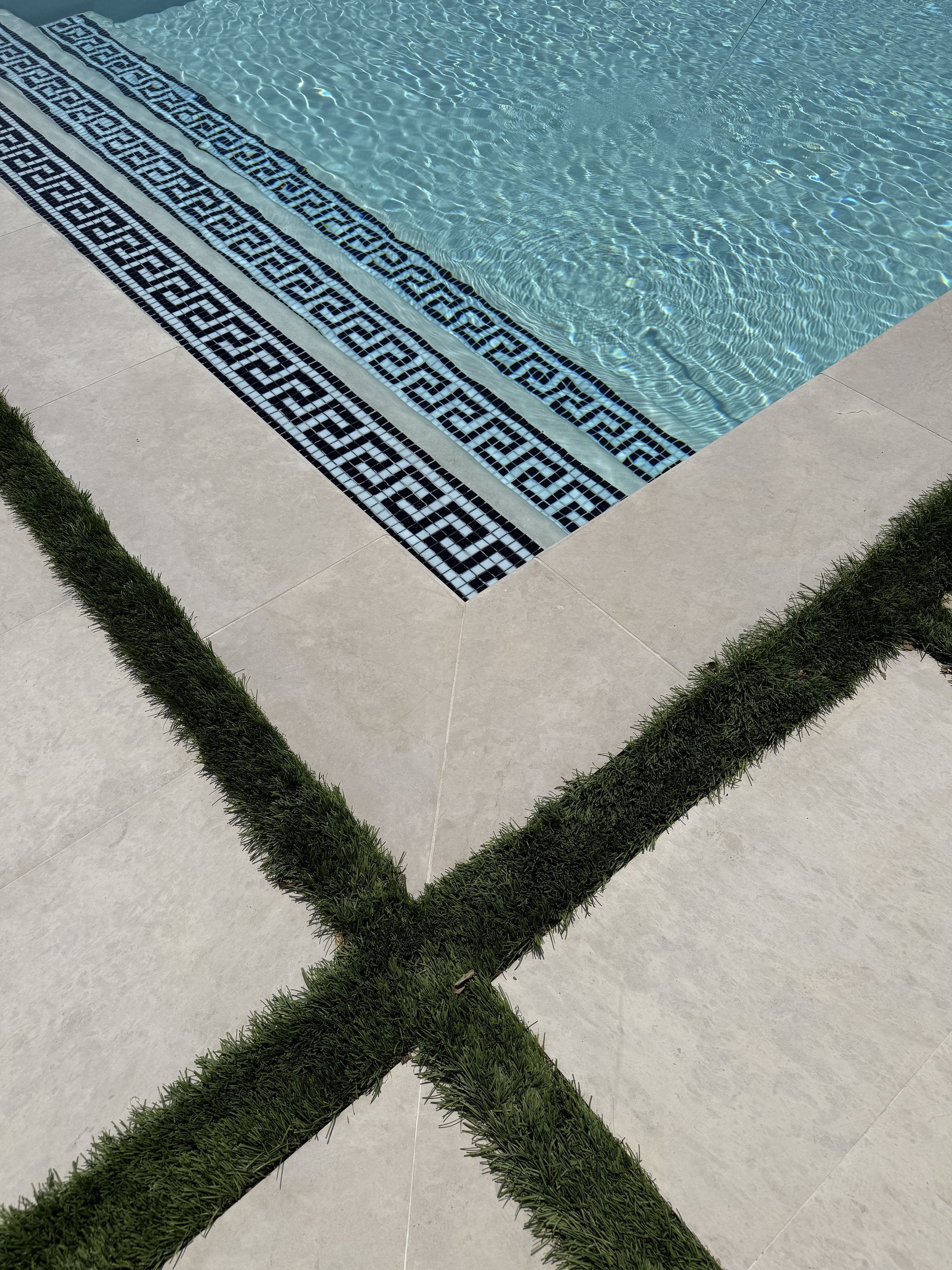
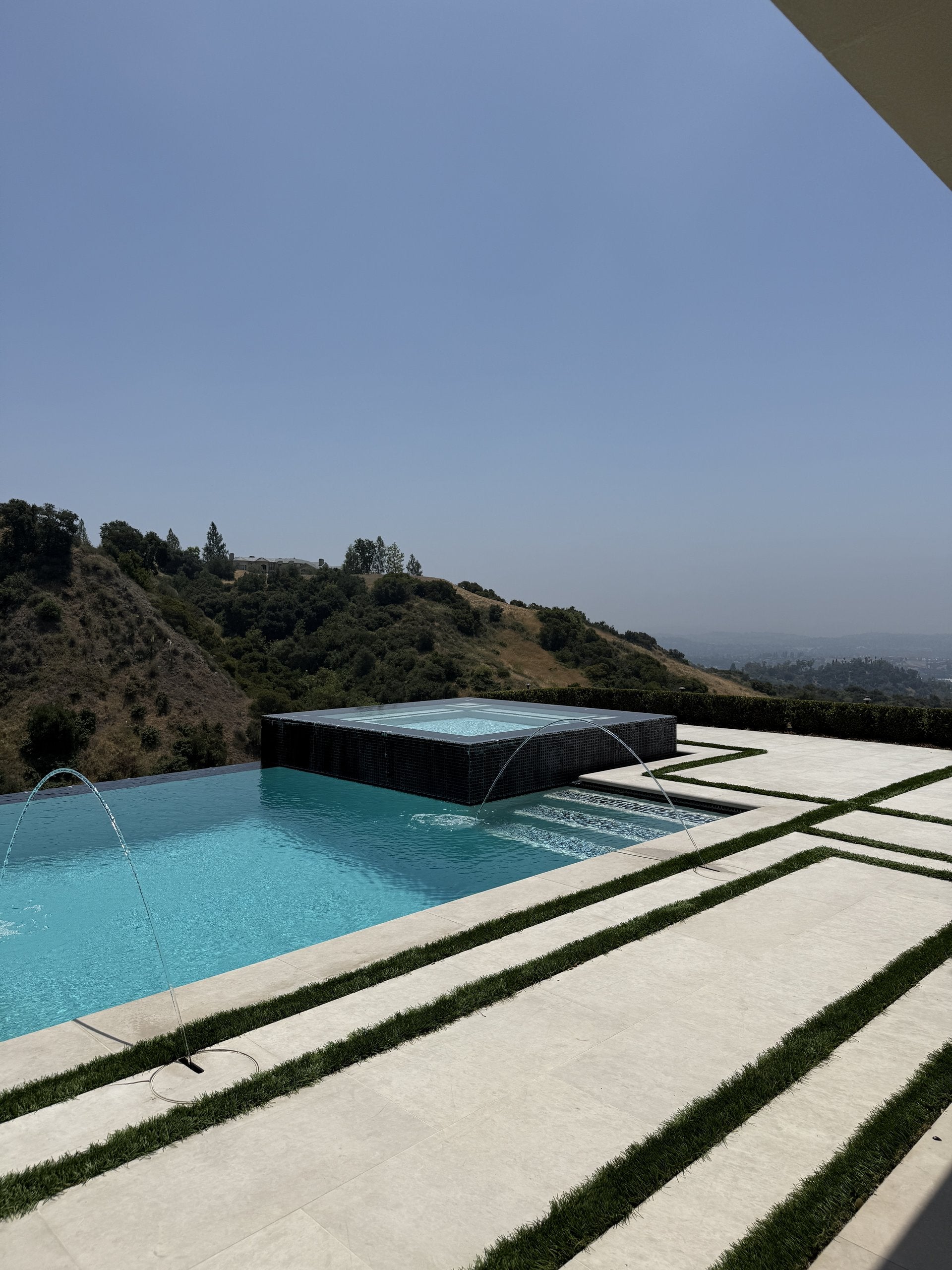
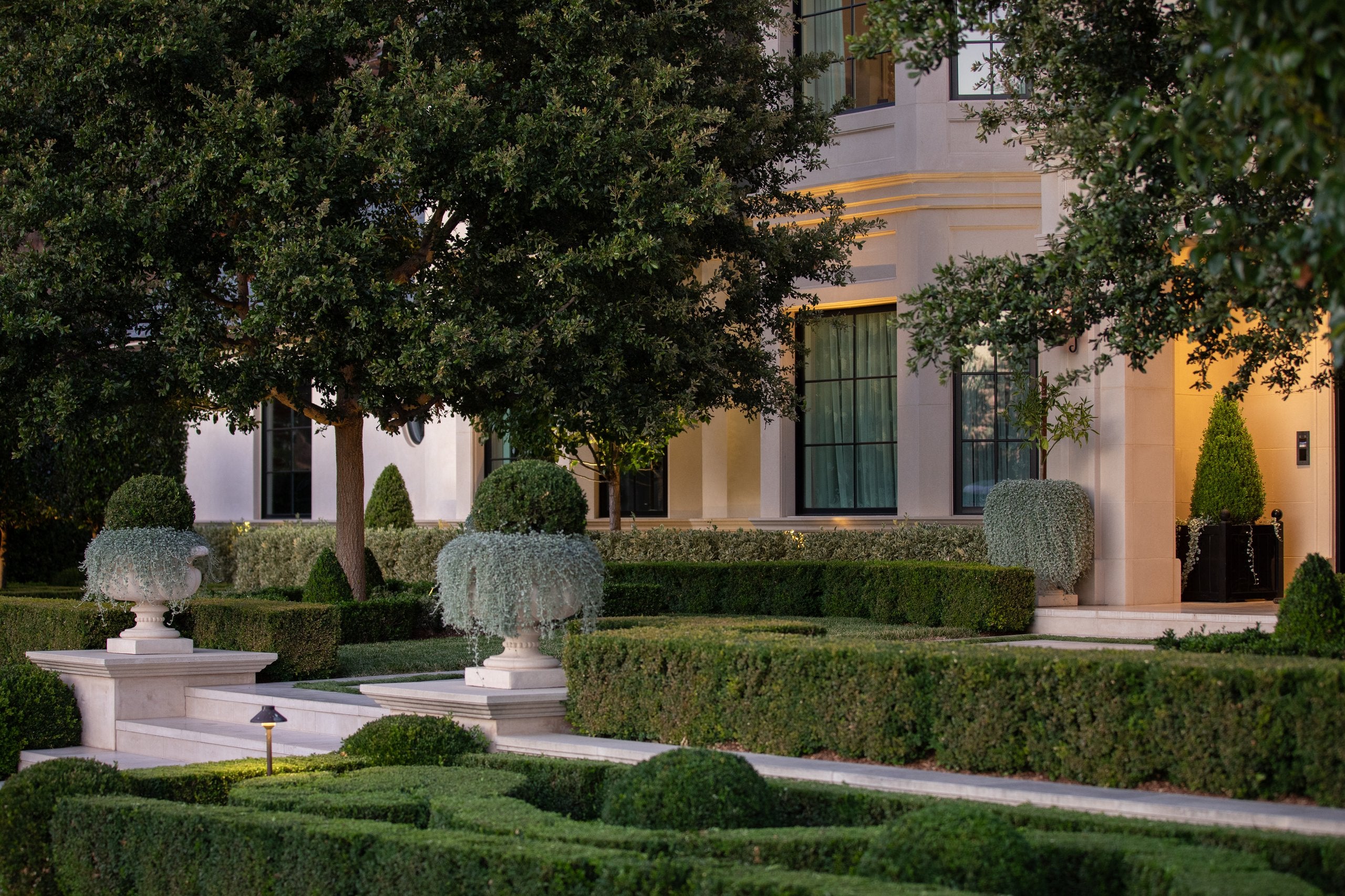
A structured landscape of parterre, axis, and bosque defines the residence through geometry and proportion. A clear sequence expands the perception of space beyond its physical limits.
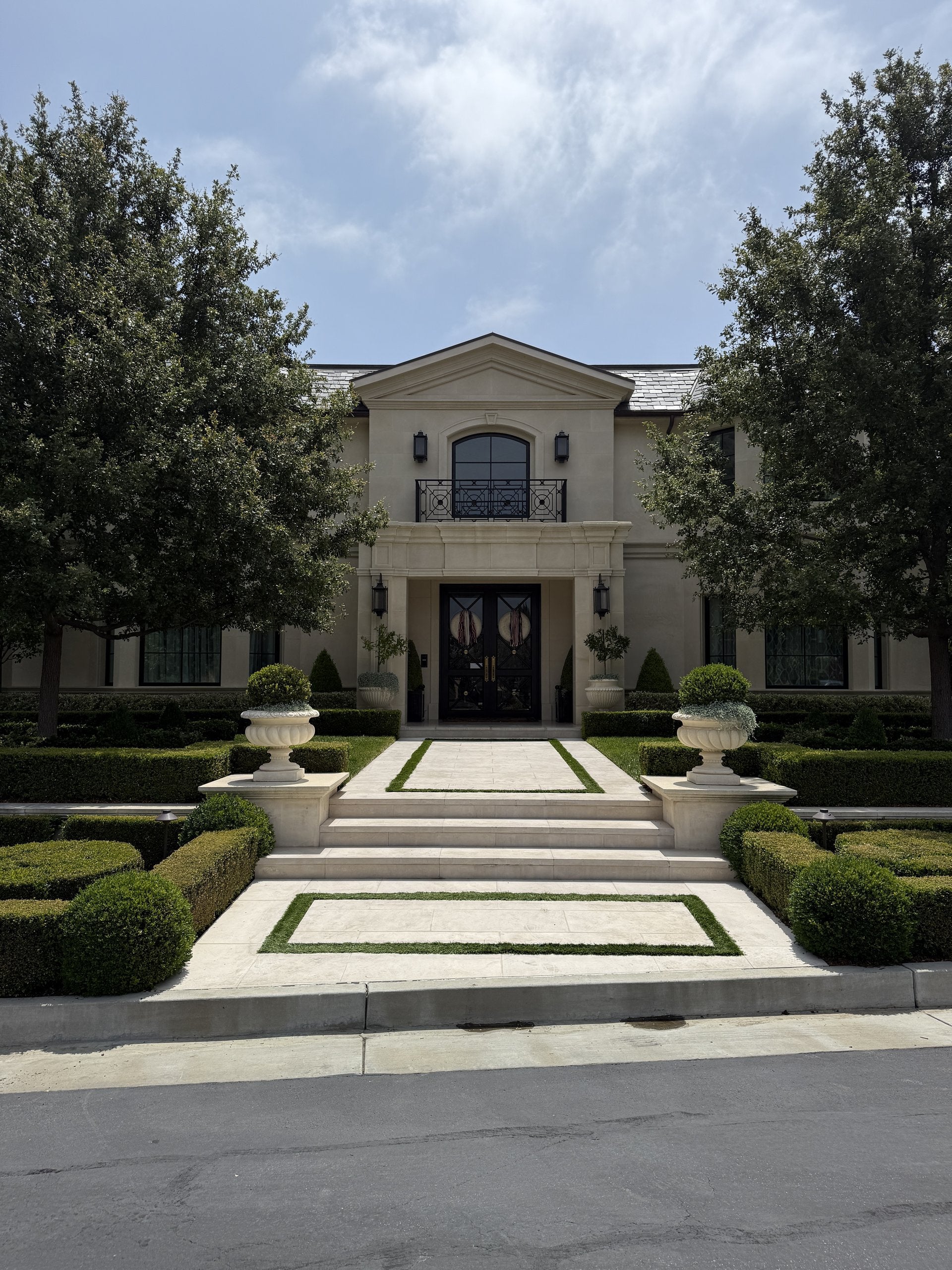
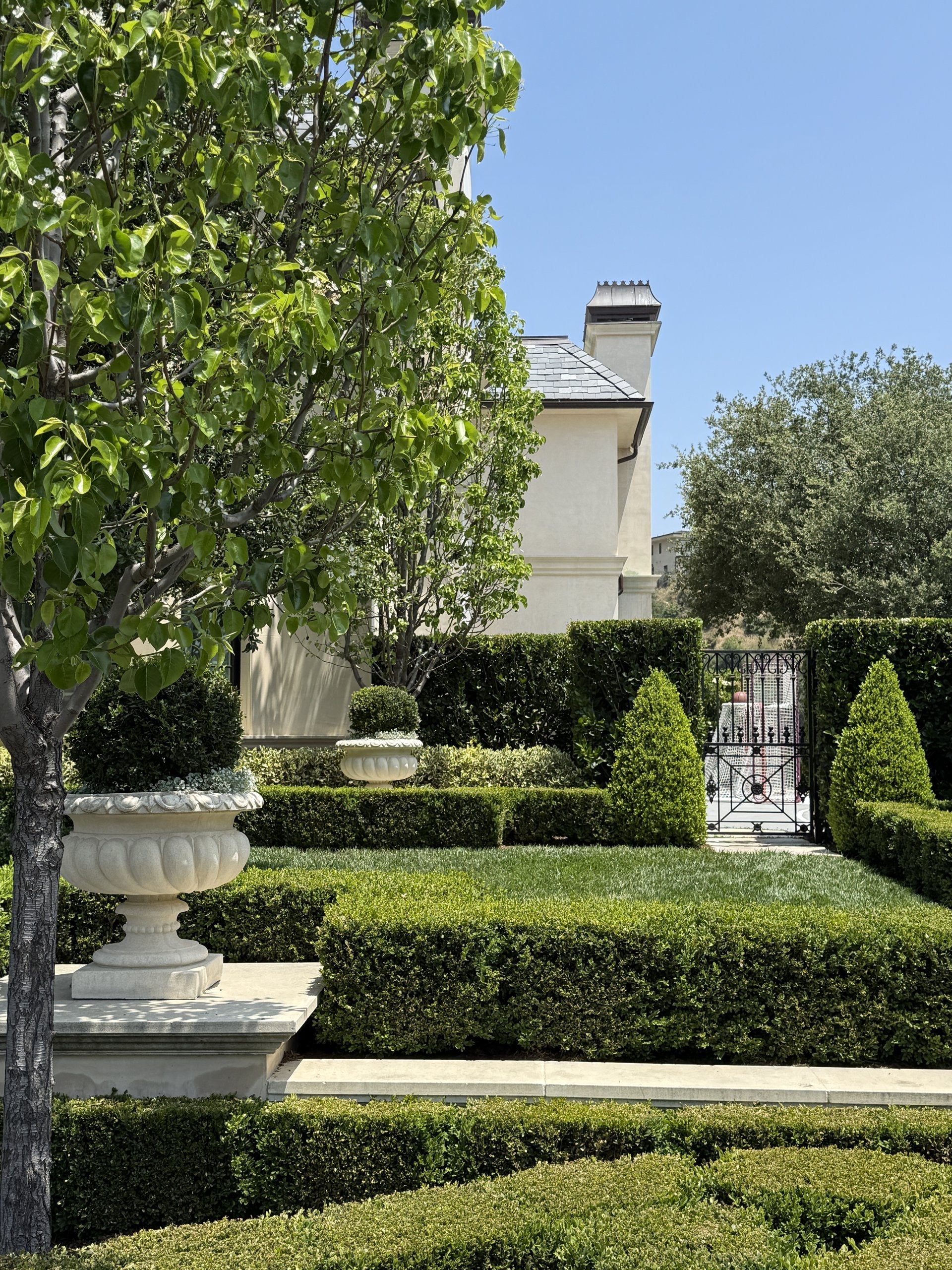
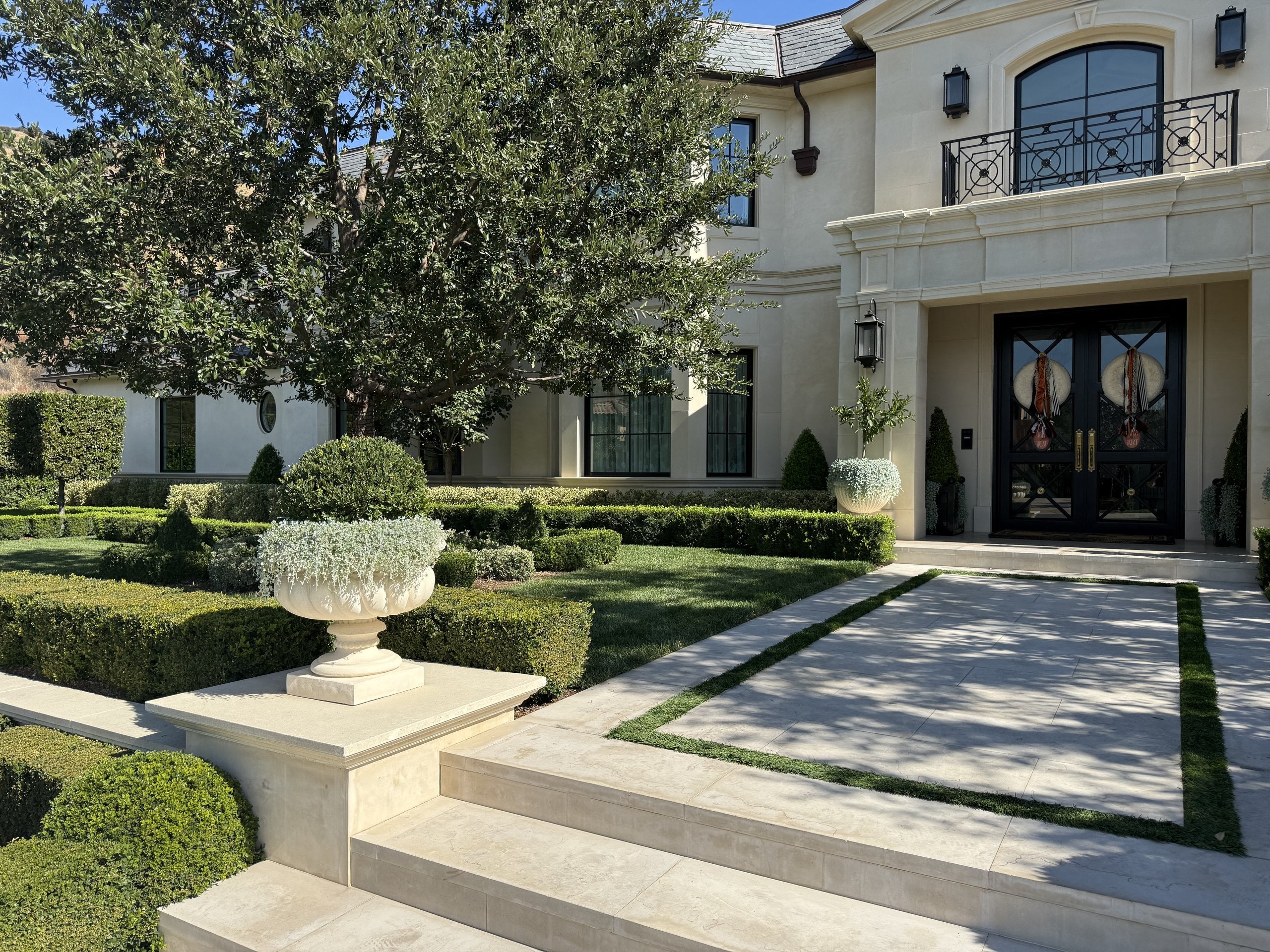
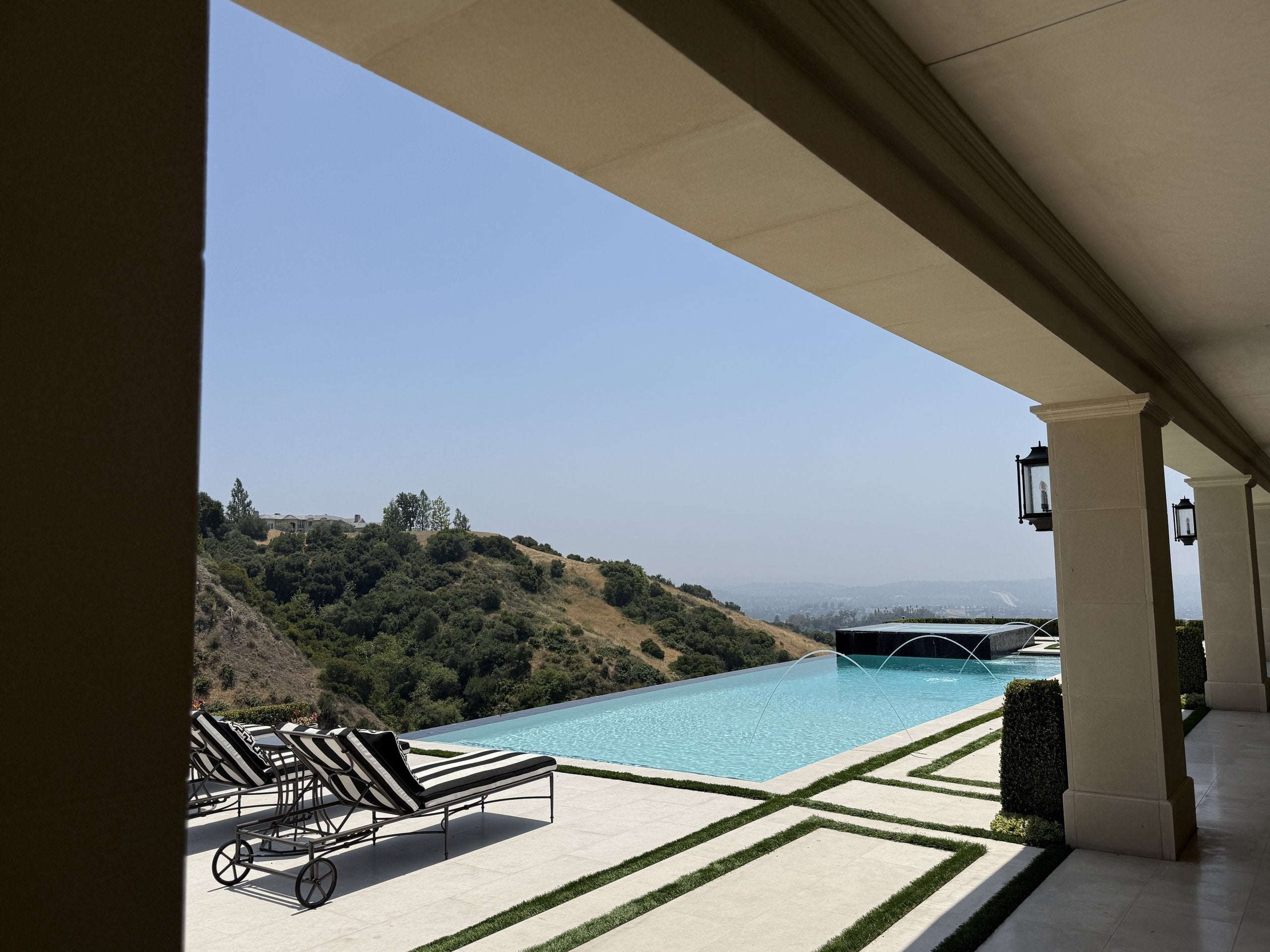
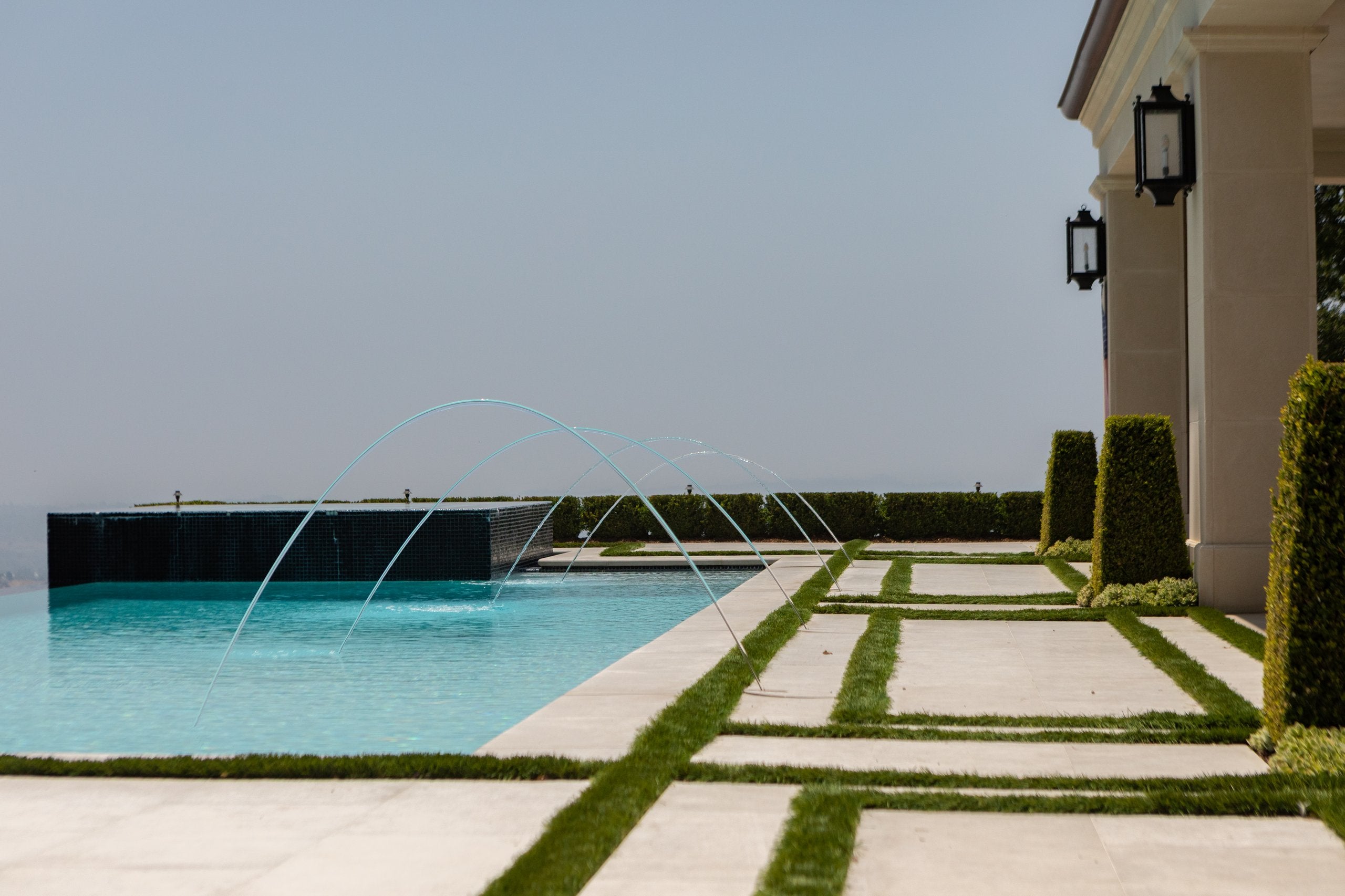
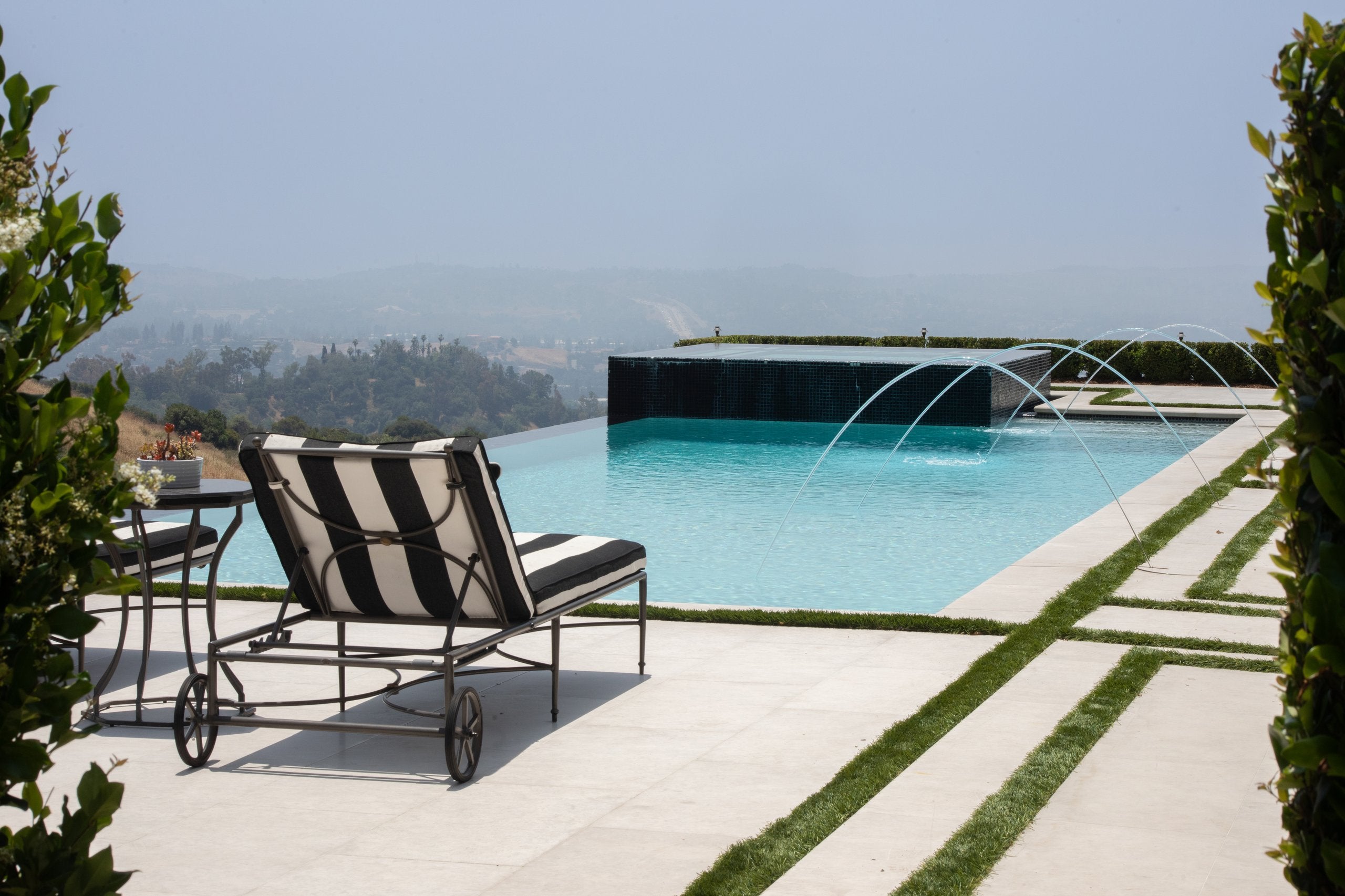
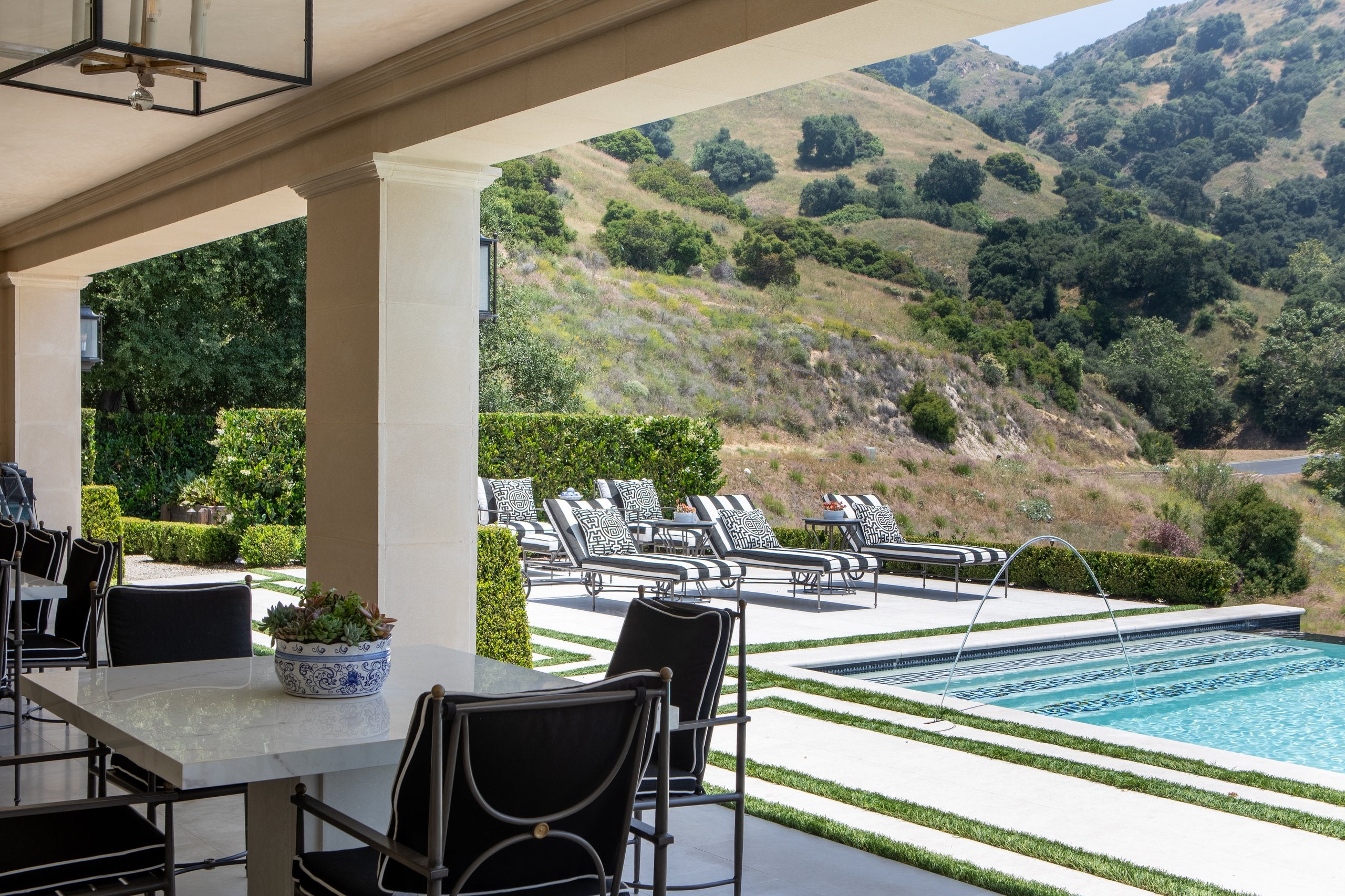
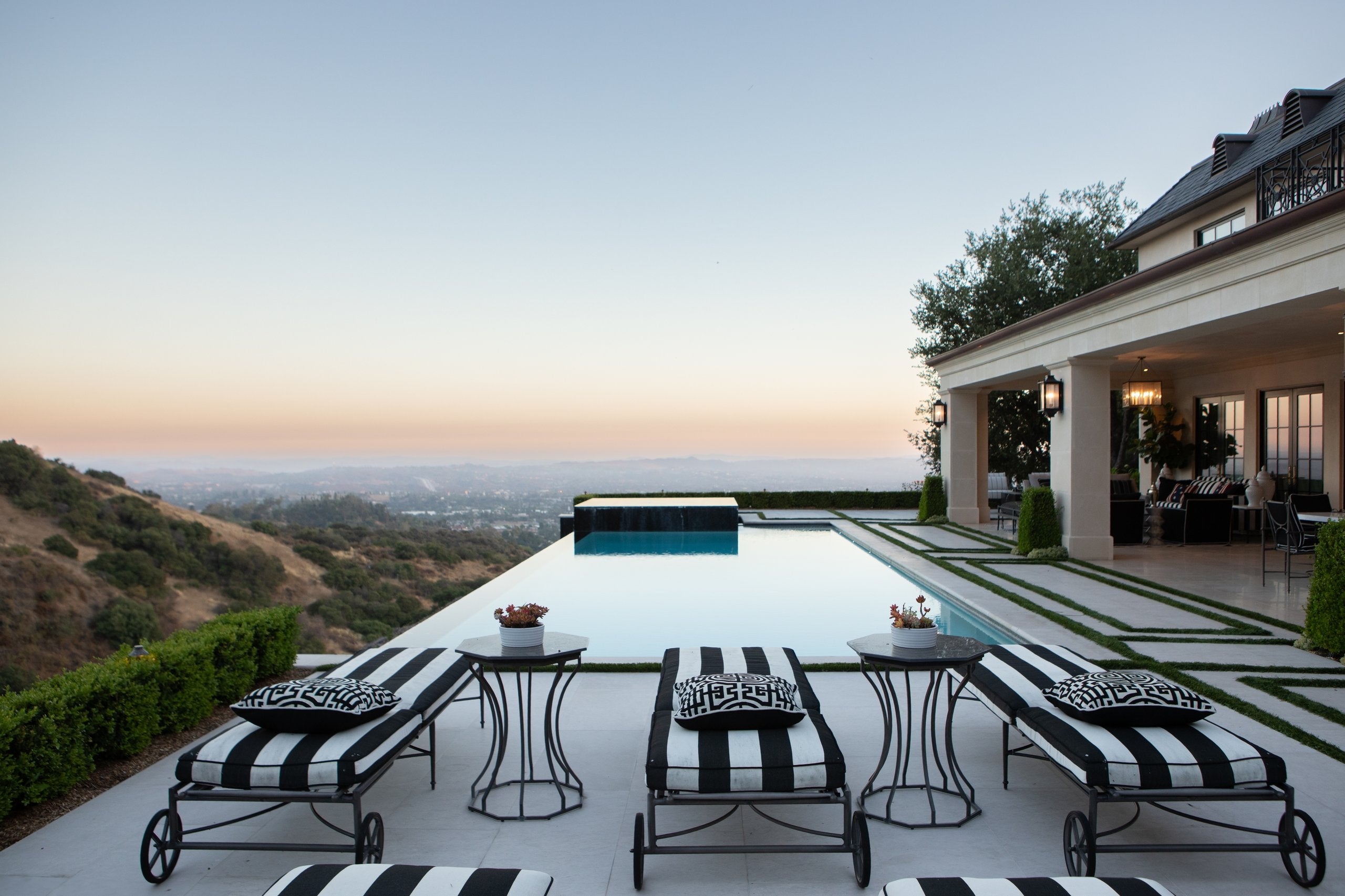
The landscape extends the architecture through symmetry and restraint, establishing a composed arrival and a series of connected outdoor rooms. Movement is guided through shifts in elevation and enclosure, allowing the garden to unfold with clarity and intention.
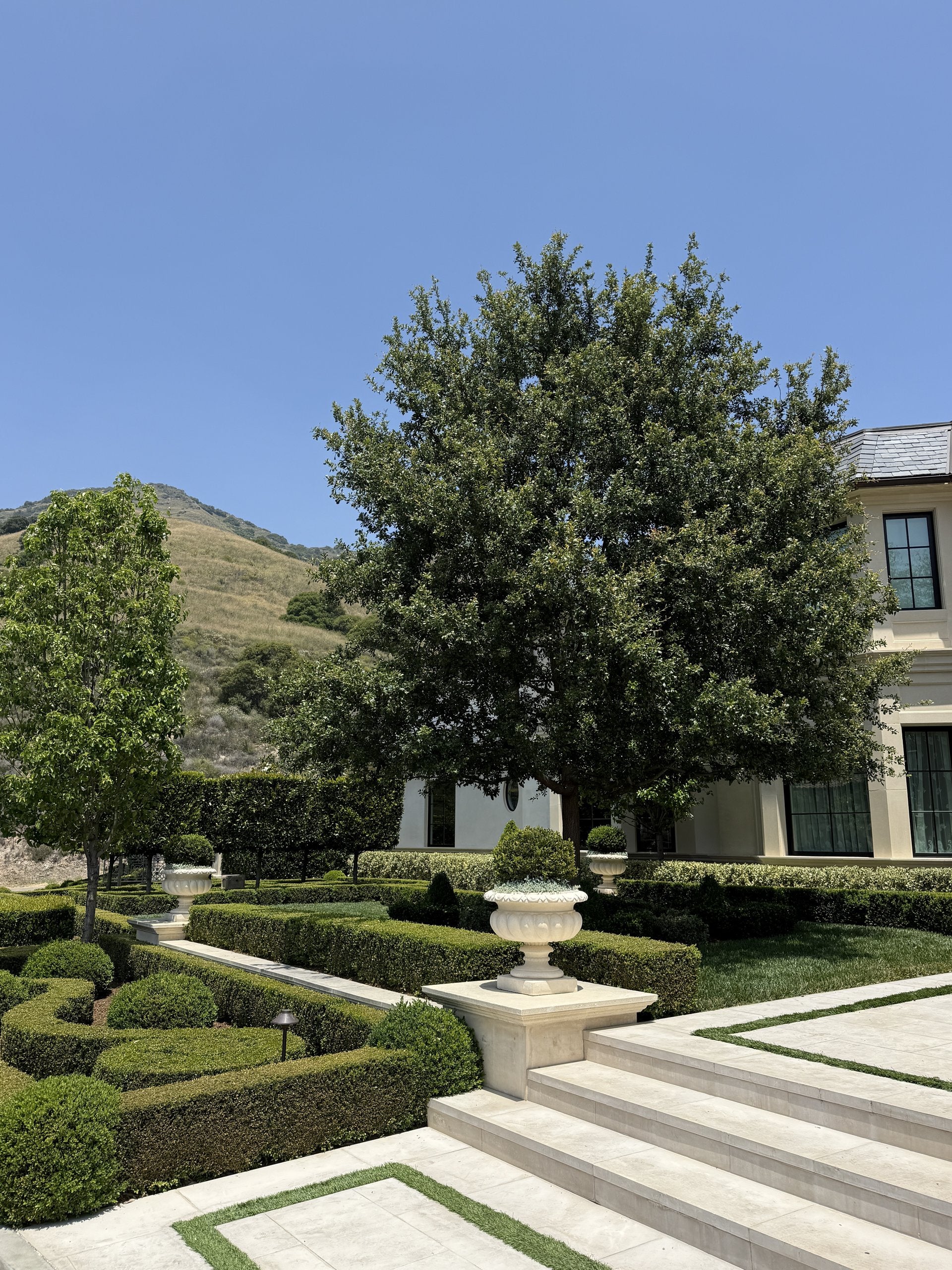
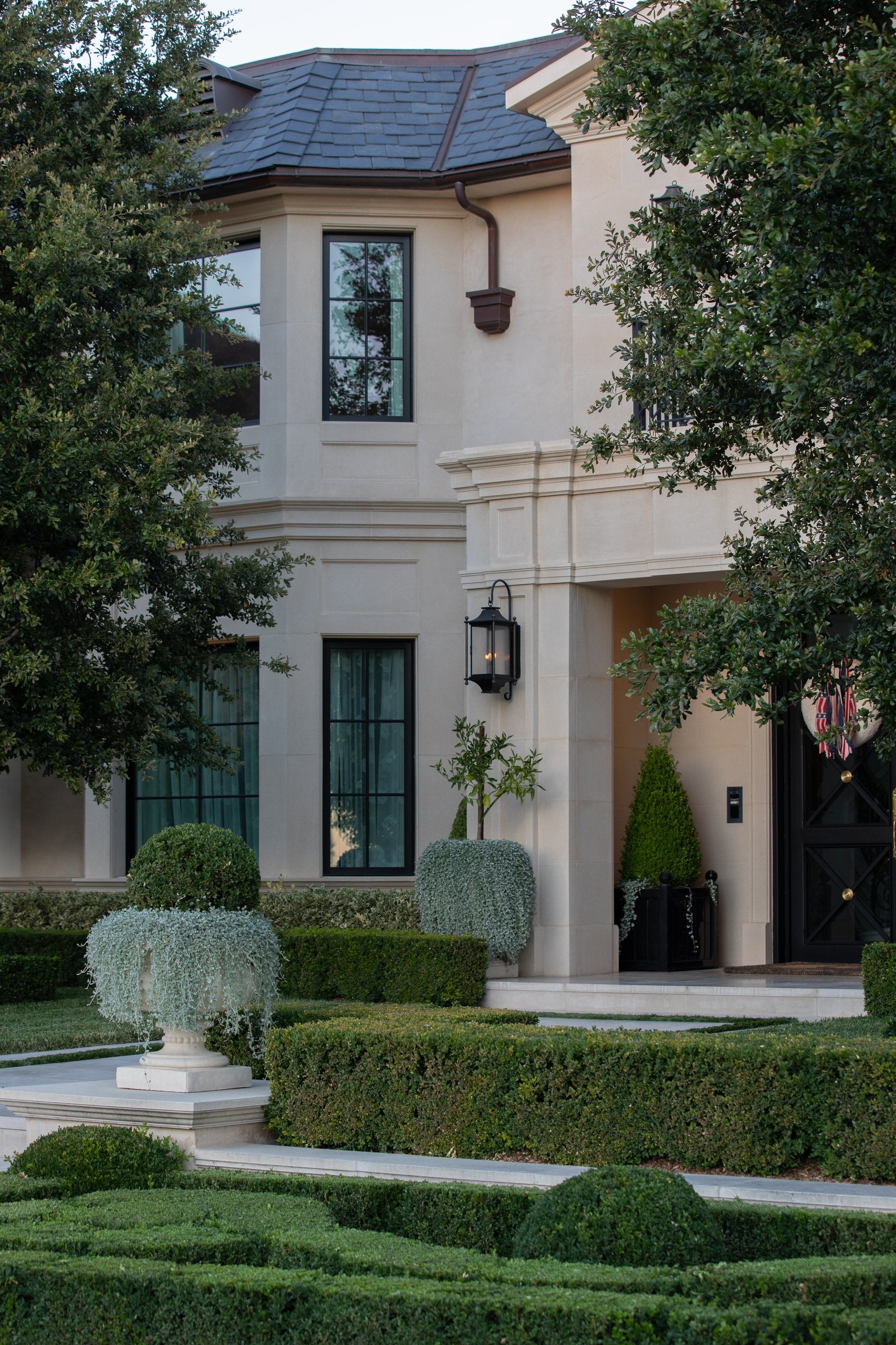
The landscape is designed to reinforce the architectural framework, using axial organization and formal geometry to establish hierarchy and order. The entry sequence is centered and deliberate, framed by cathedral oaks that introduce vertical structure and a sense of permanence.
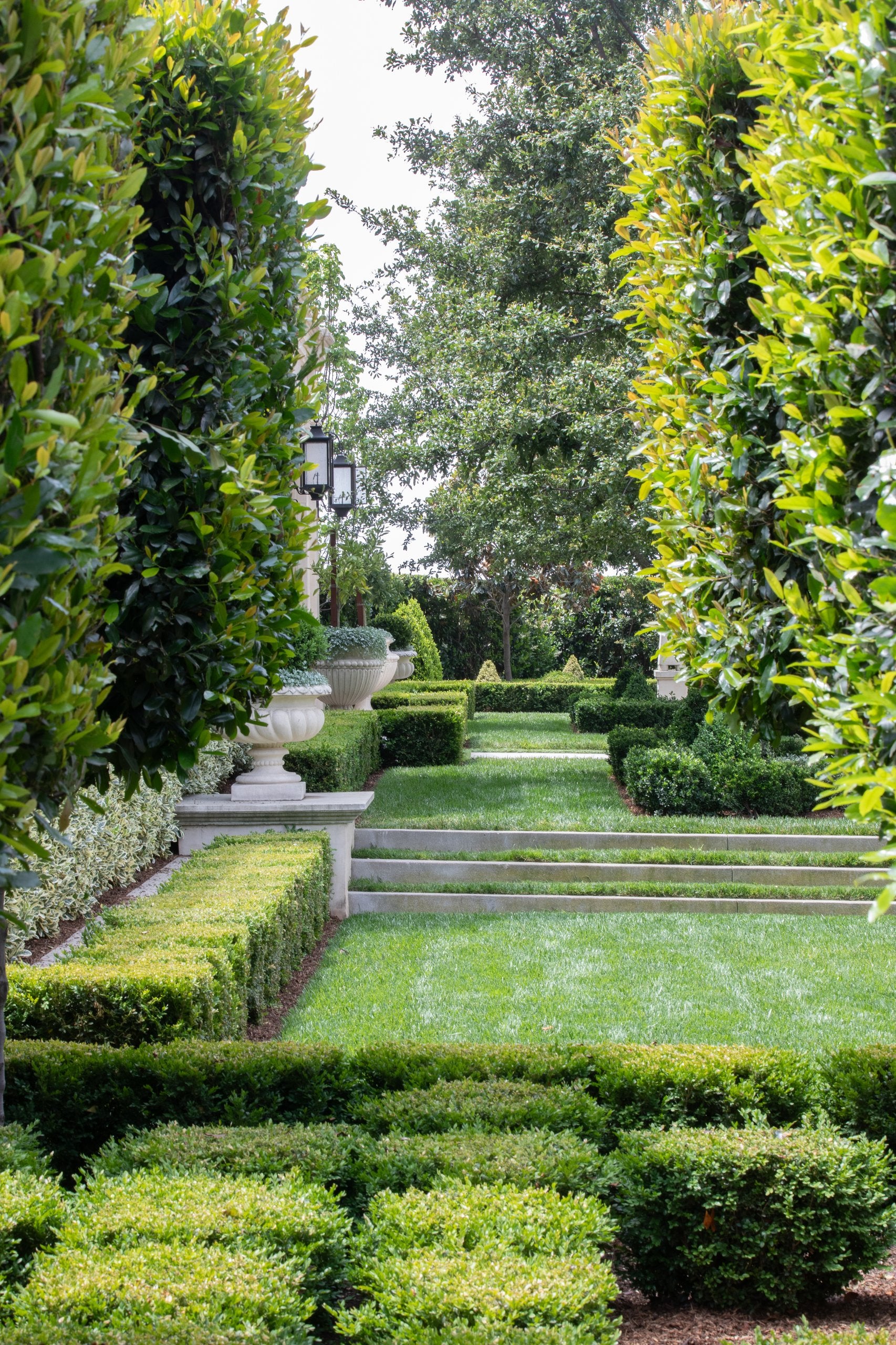
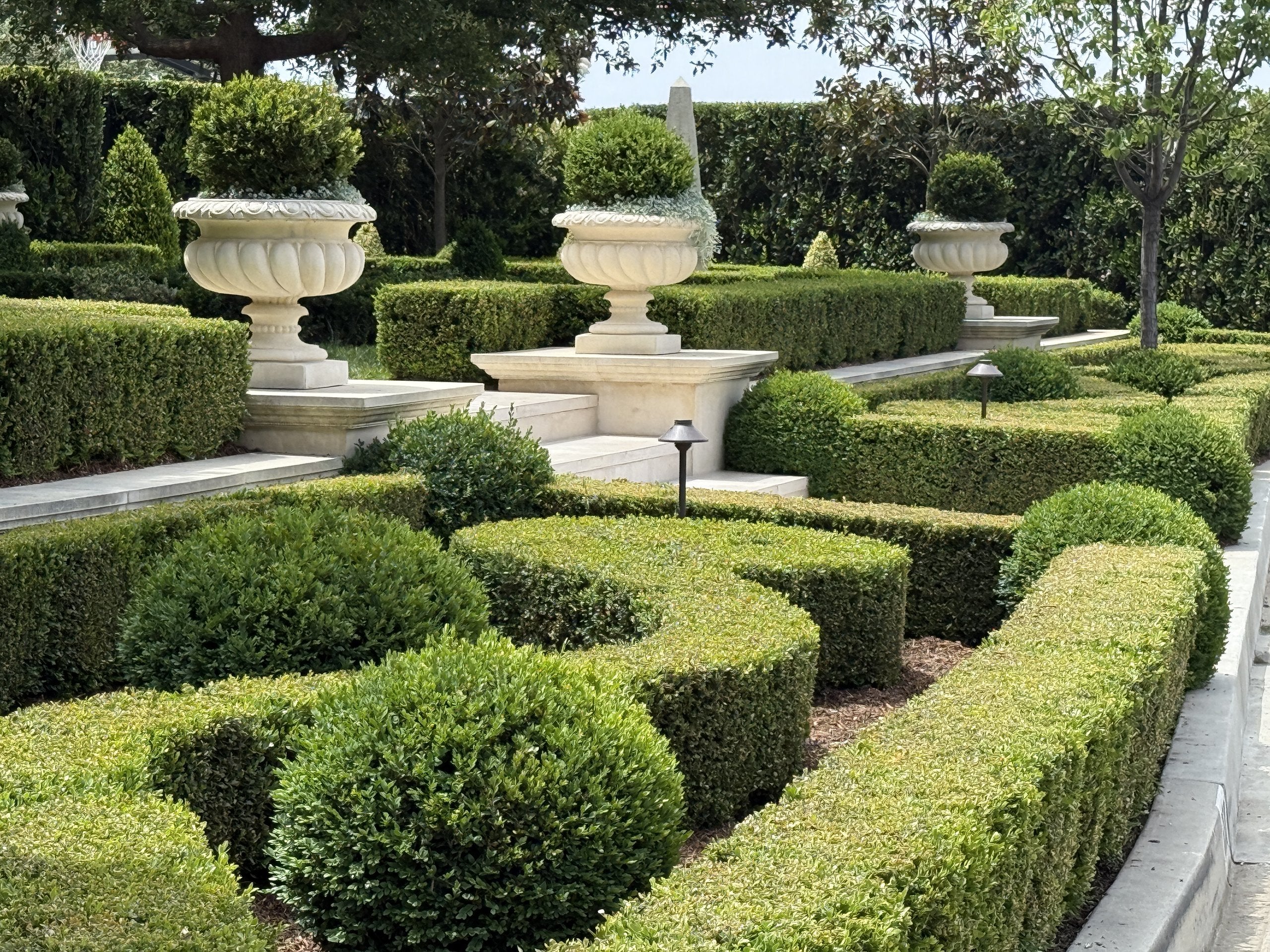
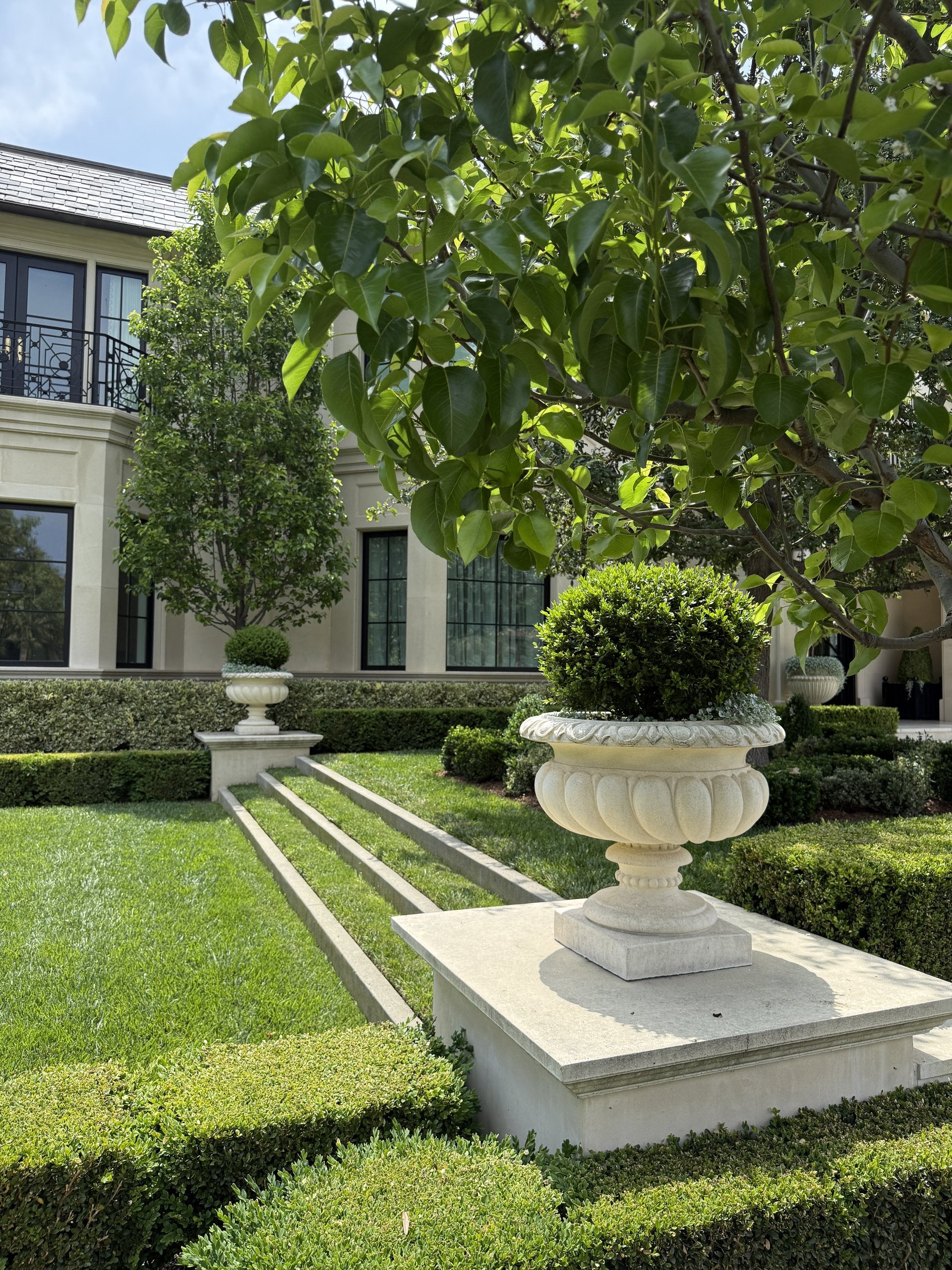
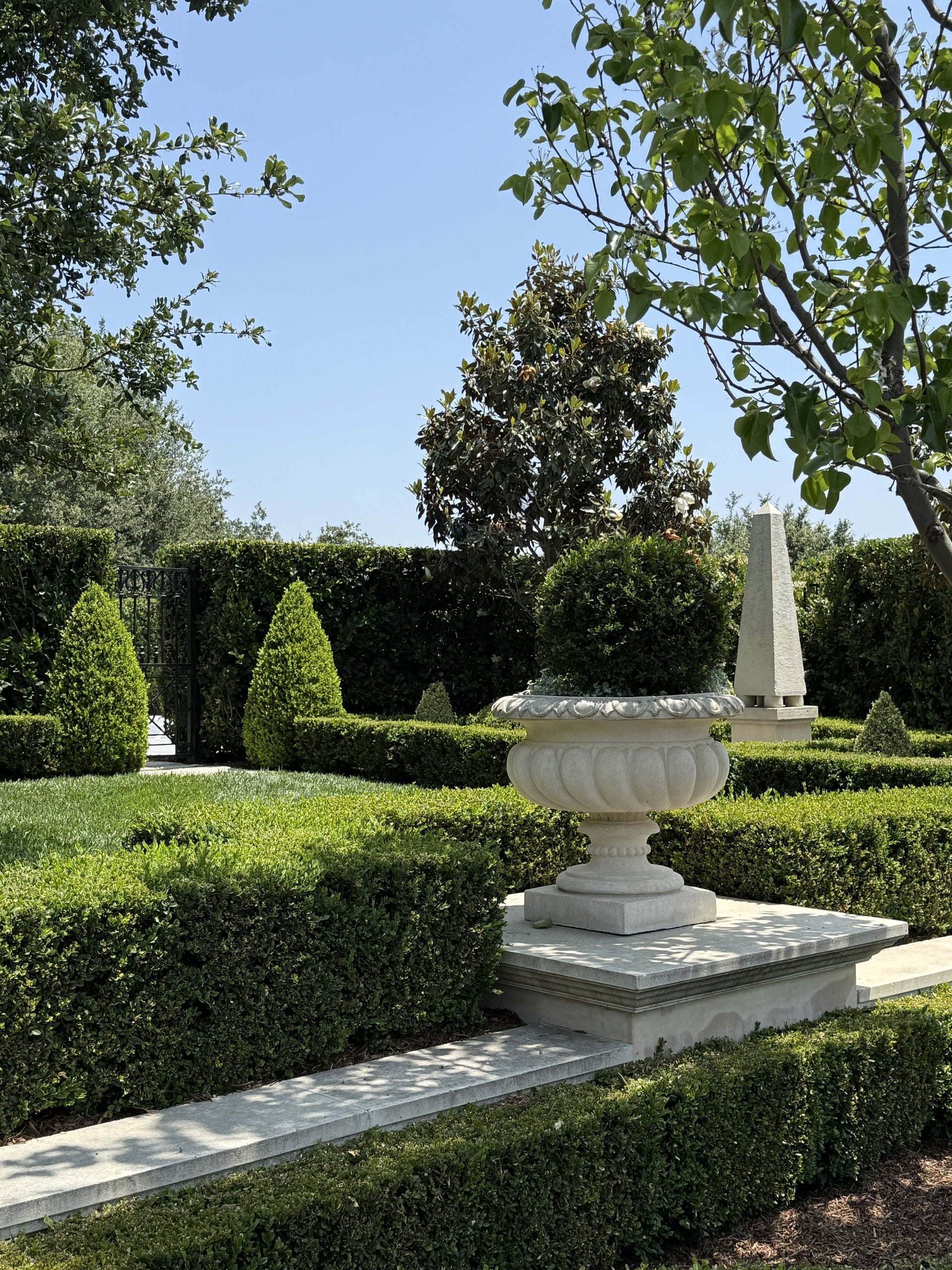
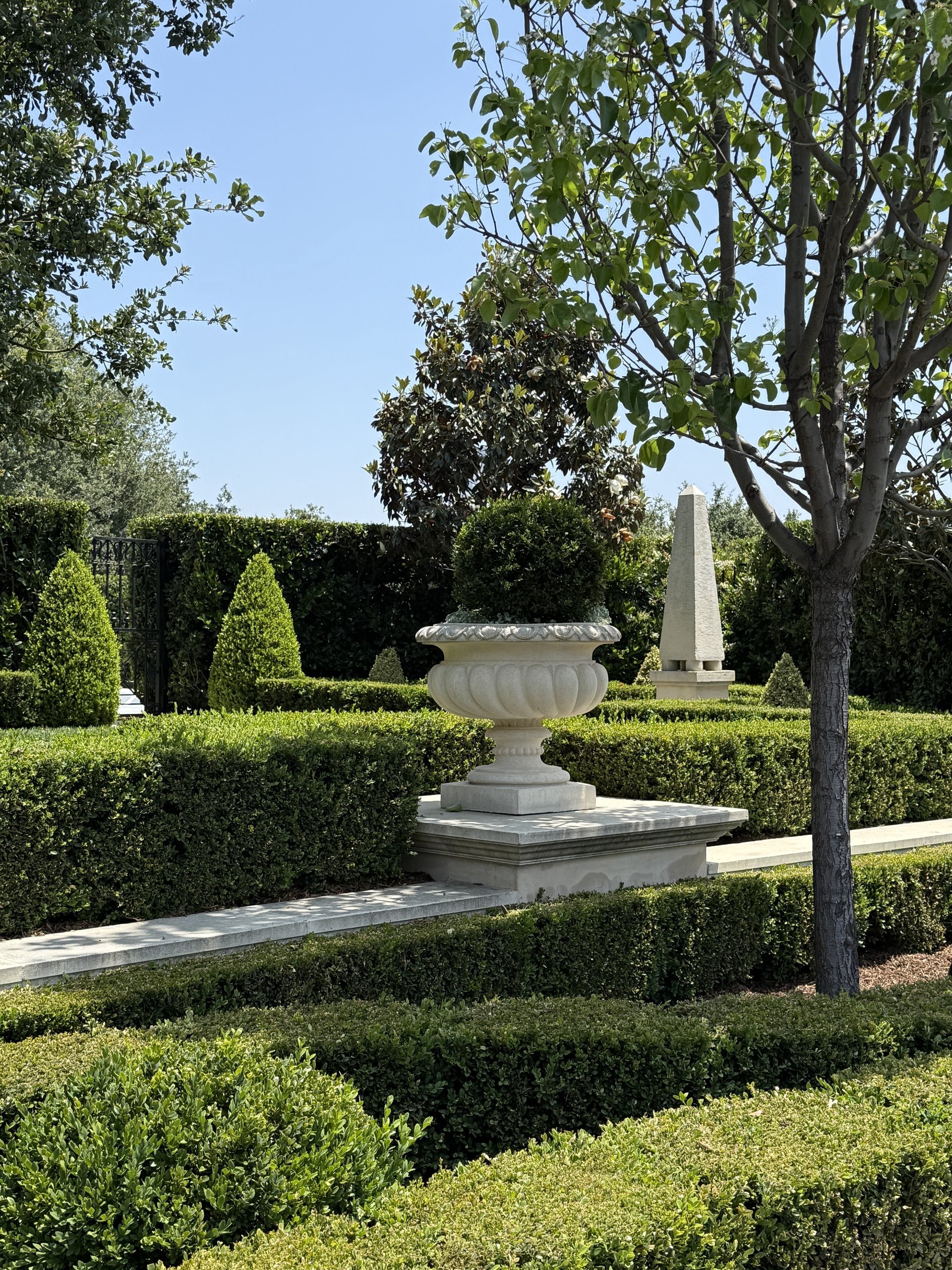
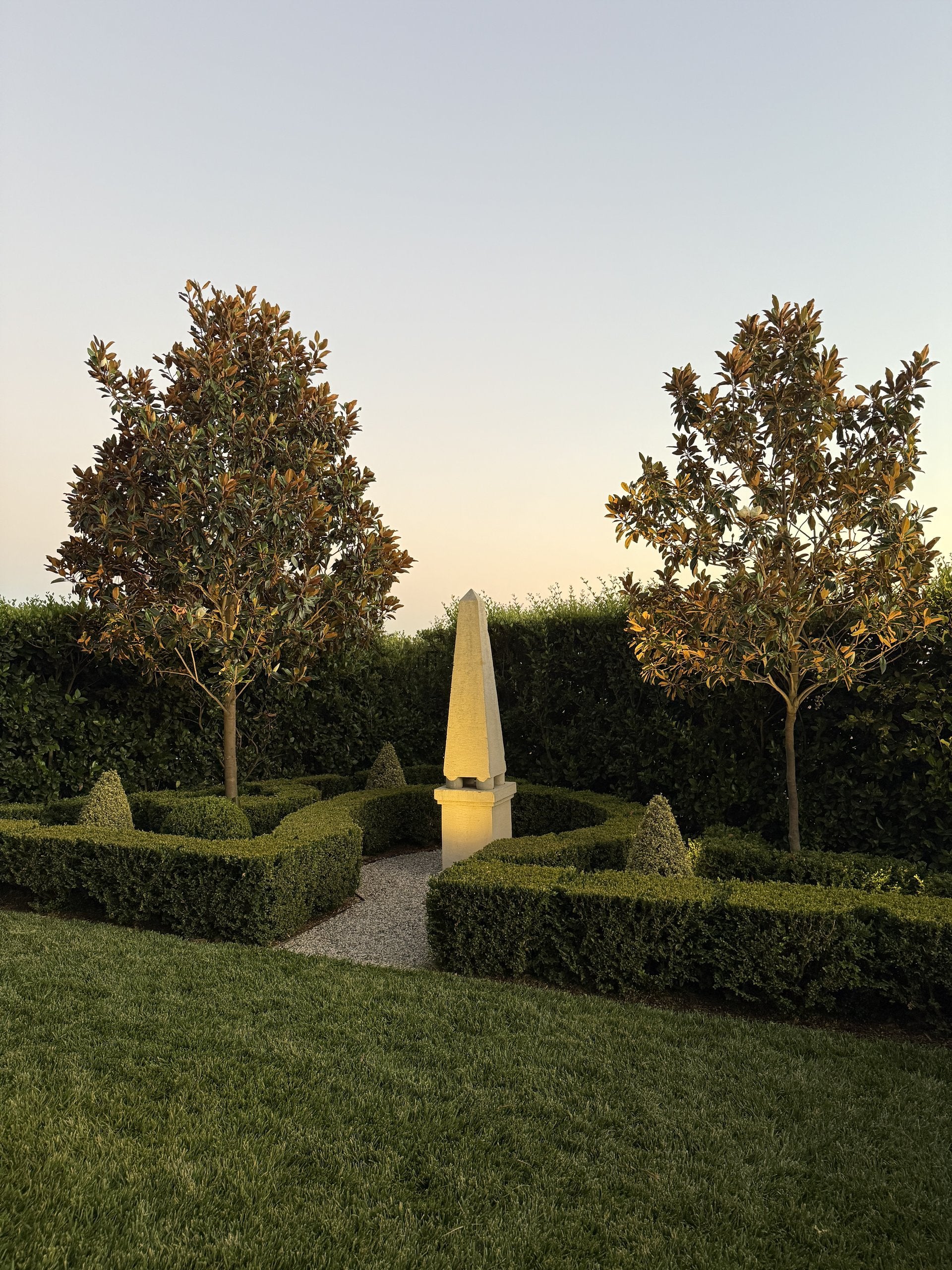
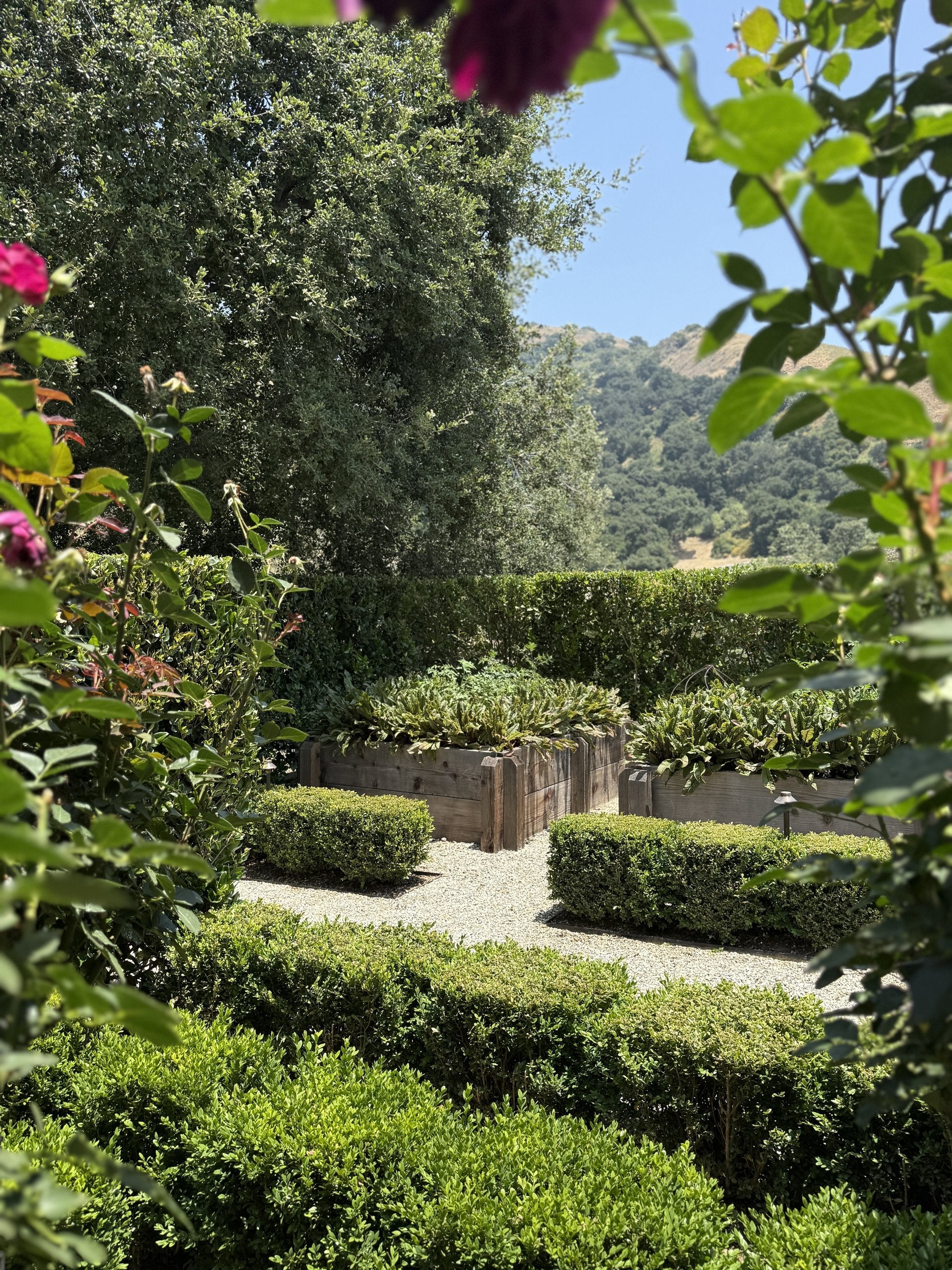
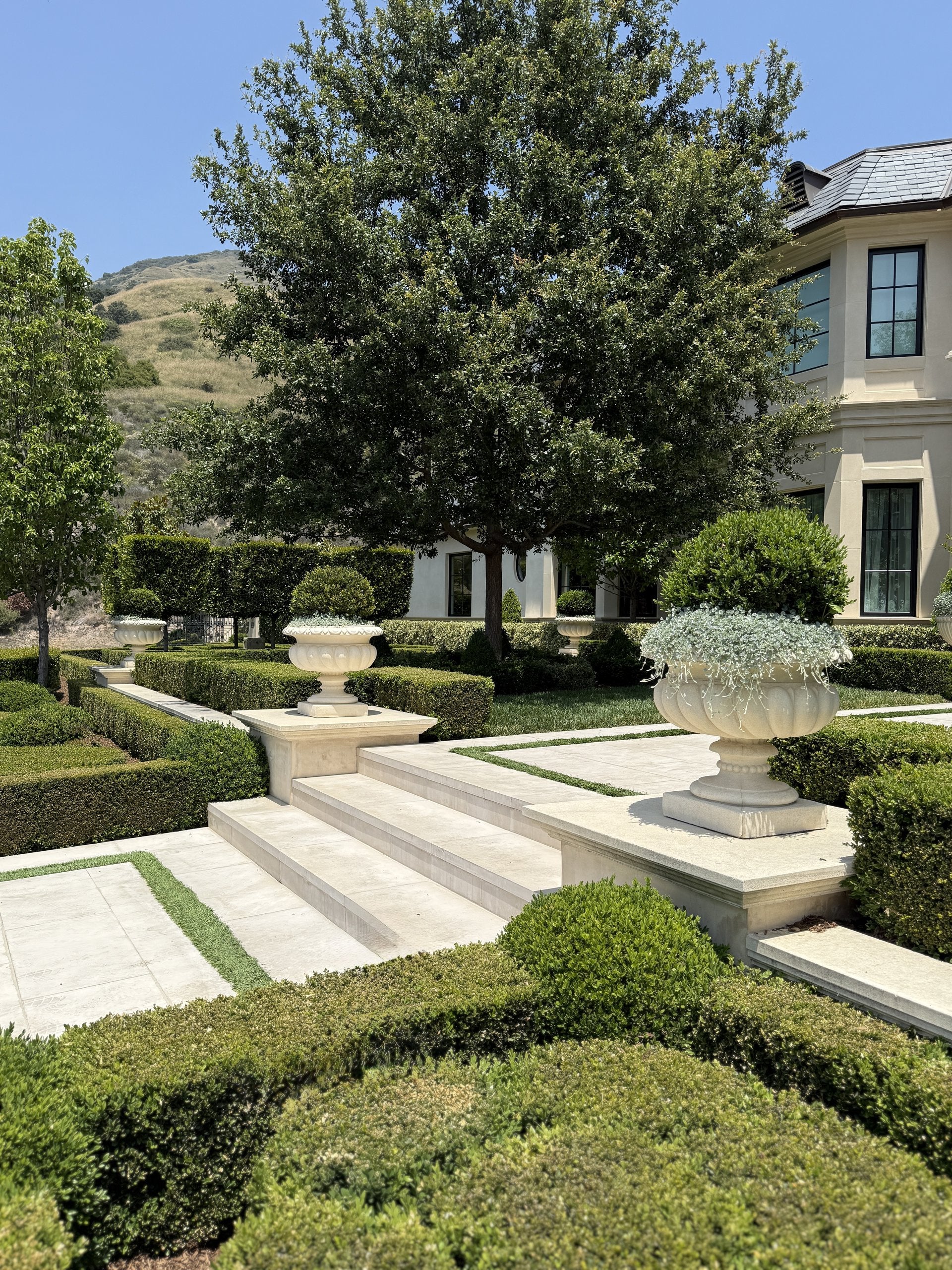
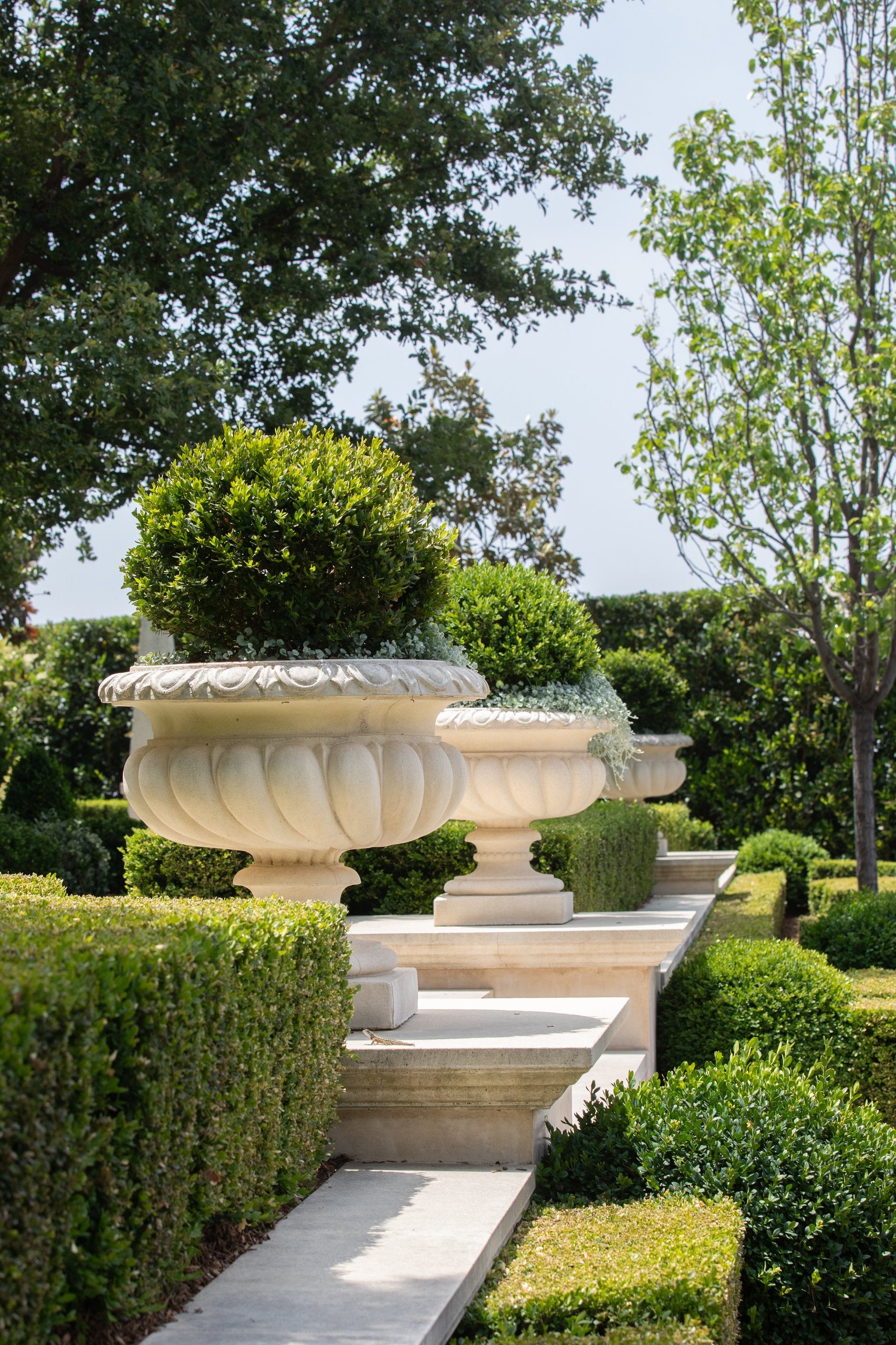
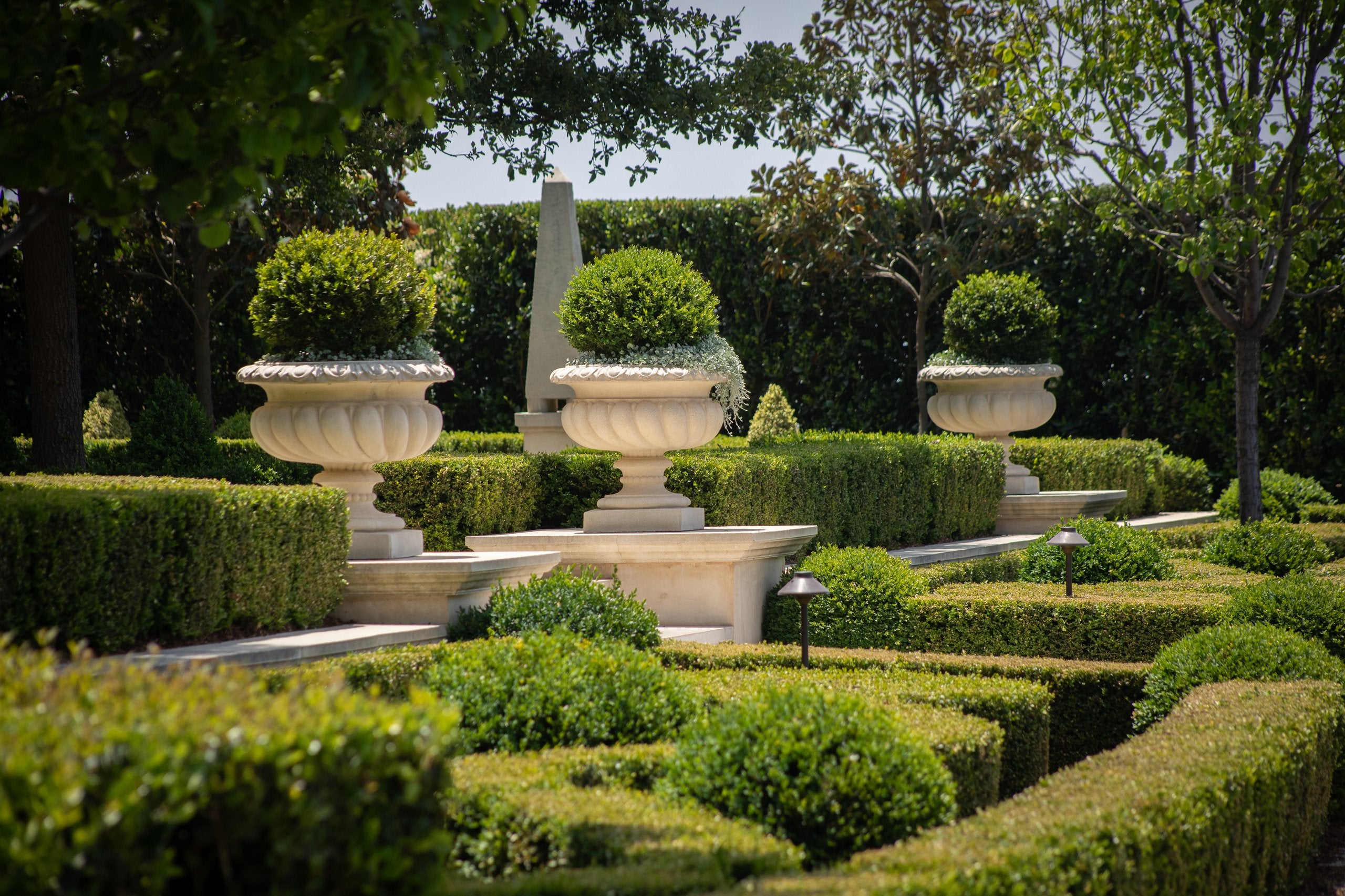
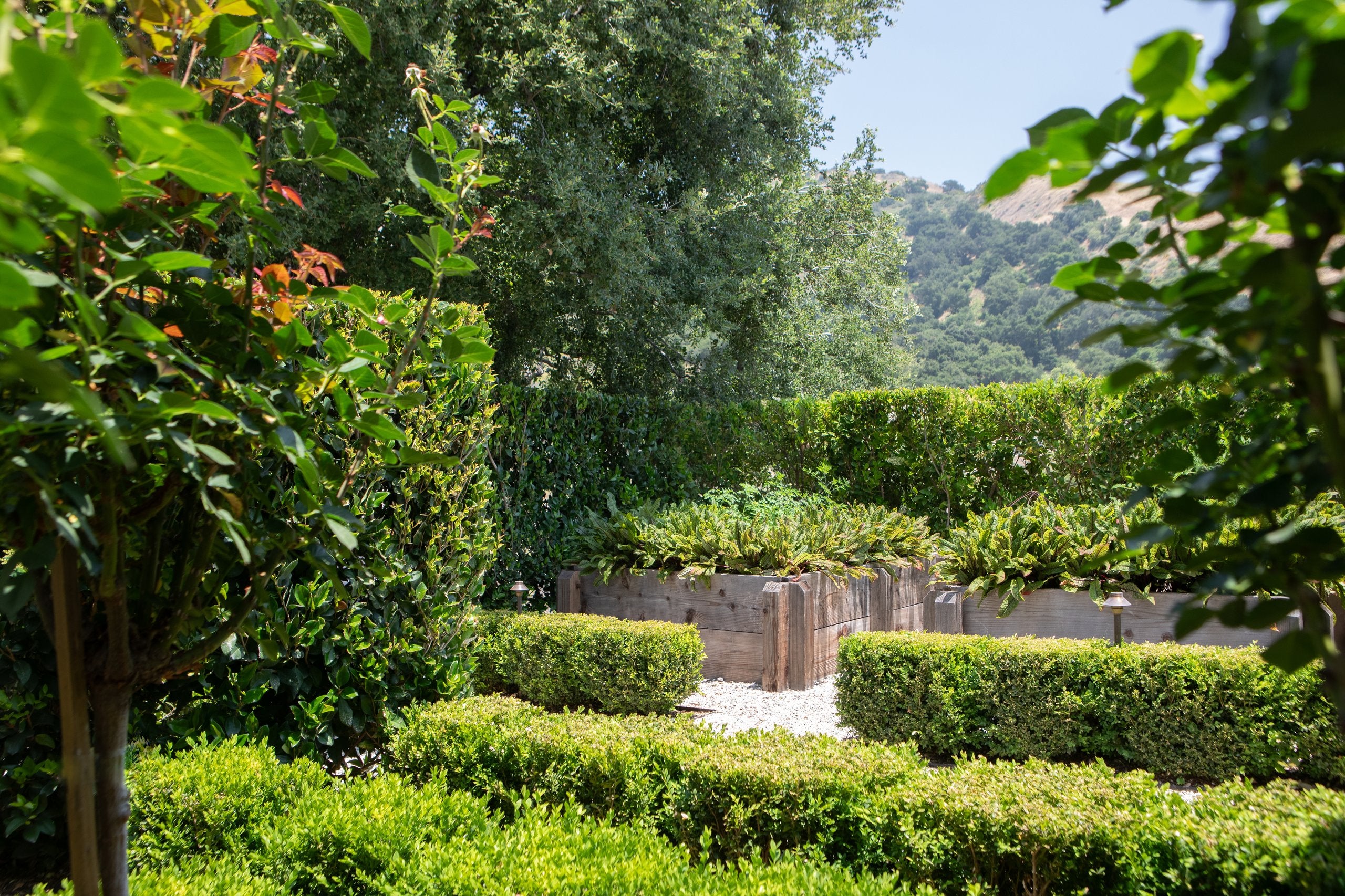
Parterre geometry is used to create depth and repetition, allowing the garden to read as larger than its footprint. Lawn steps are integrated into the composition, guiding movement while maintaining continuity with the surrounding landscape. These transitions lead to a lower garden, where the spatial character becomes more enclosed.
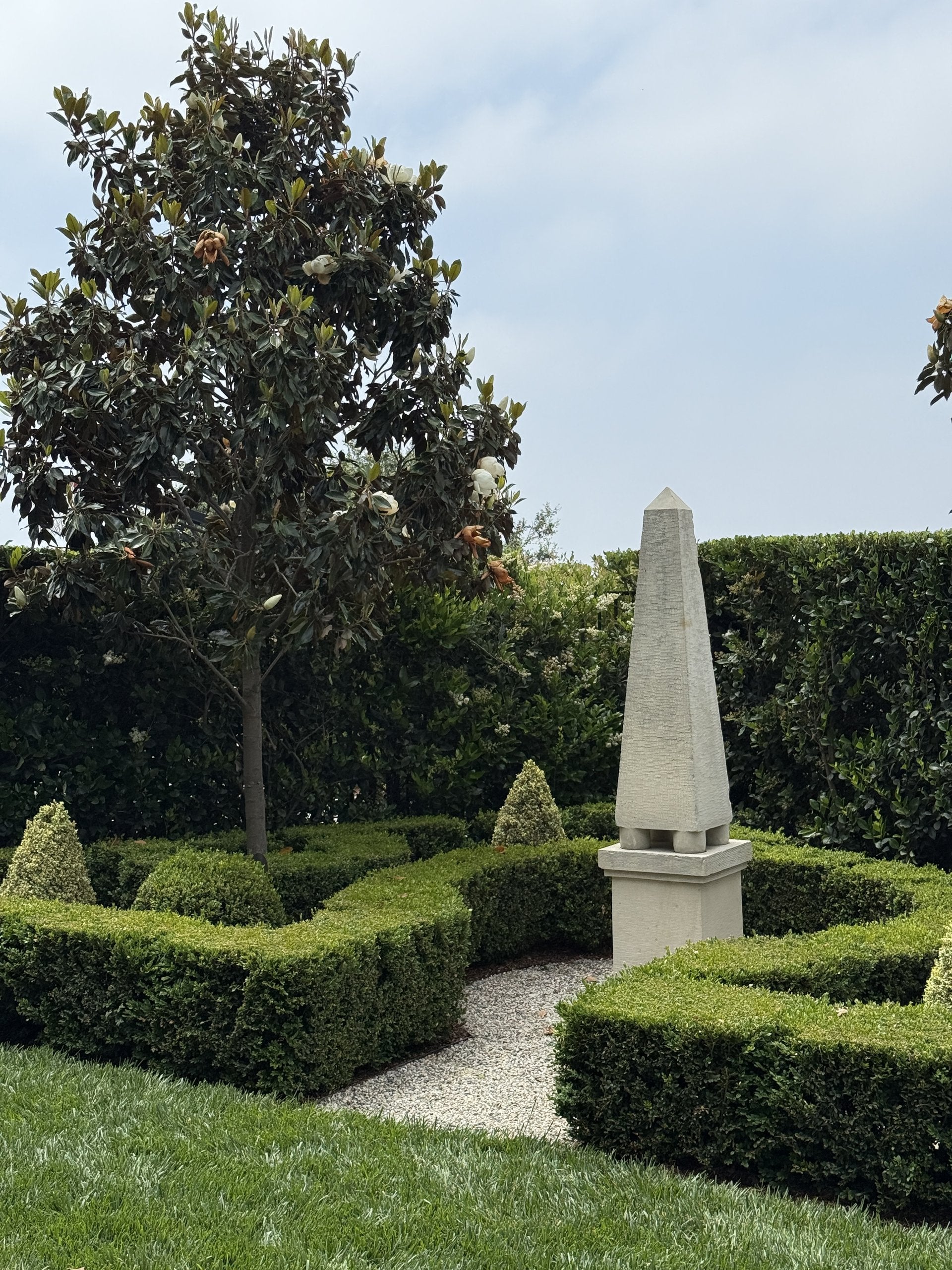
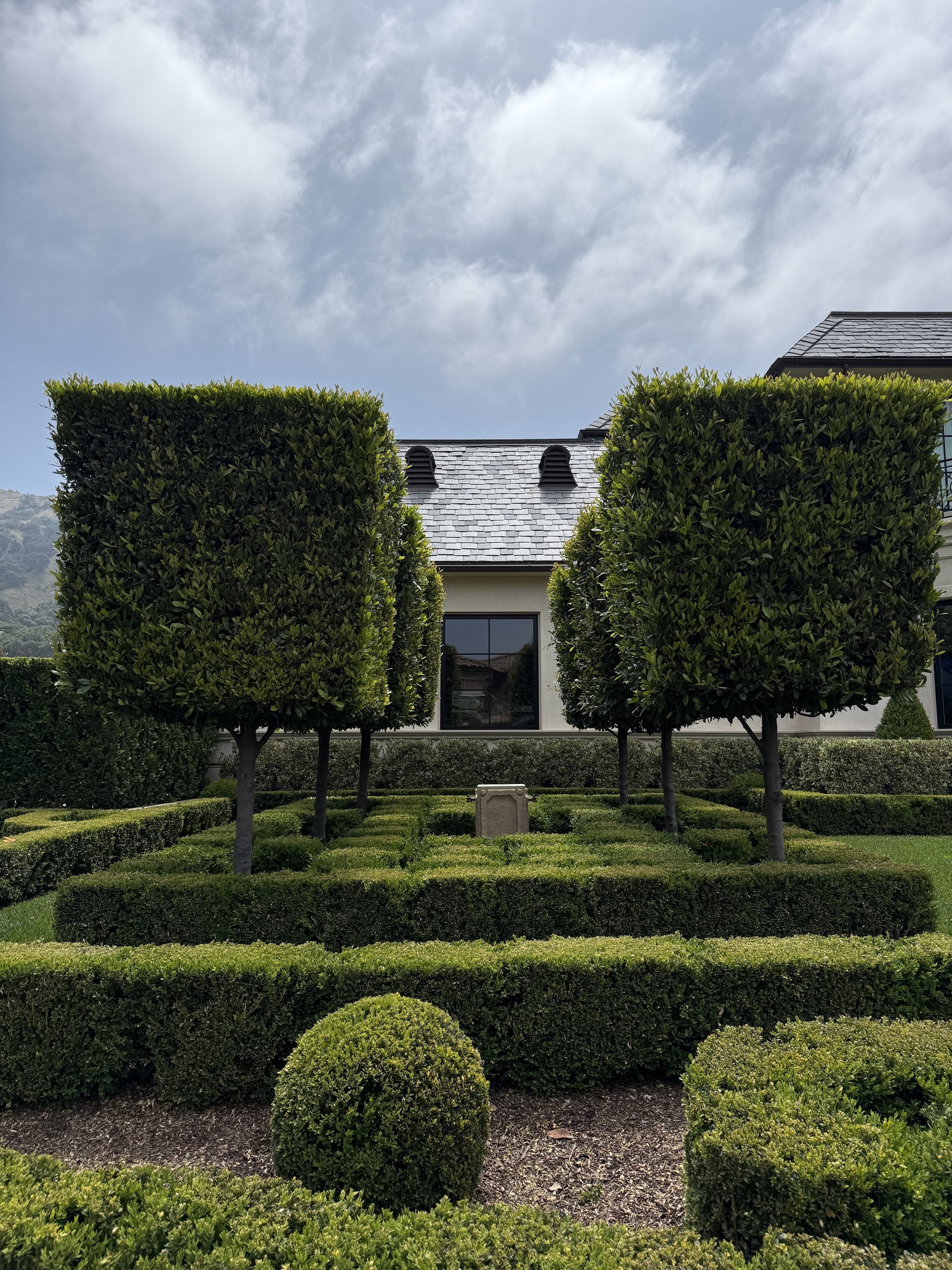
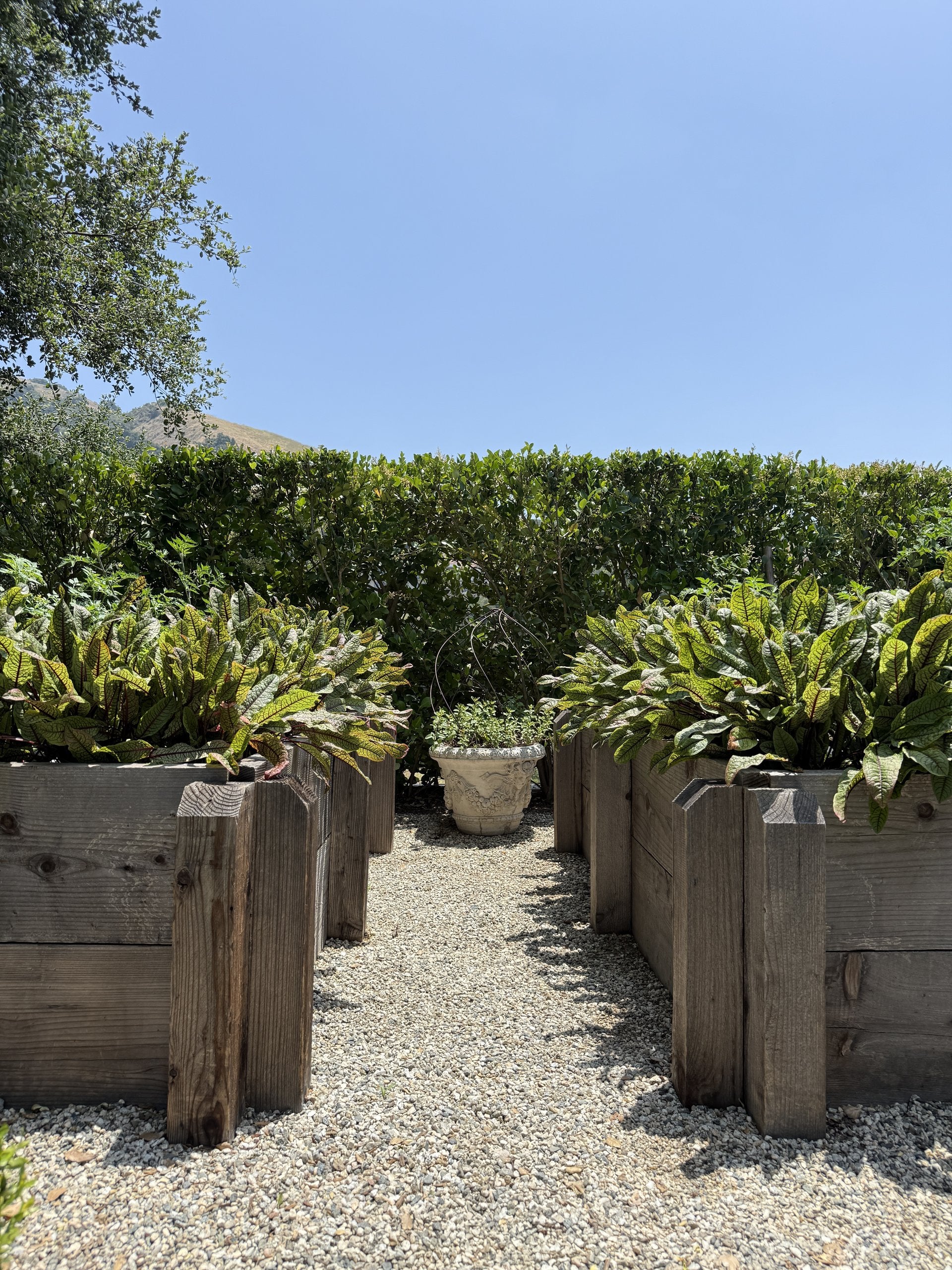
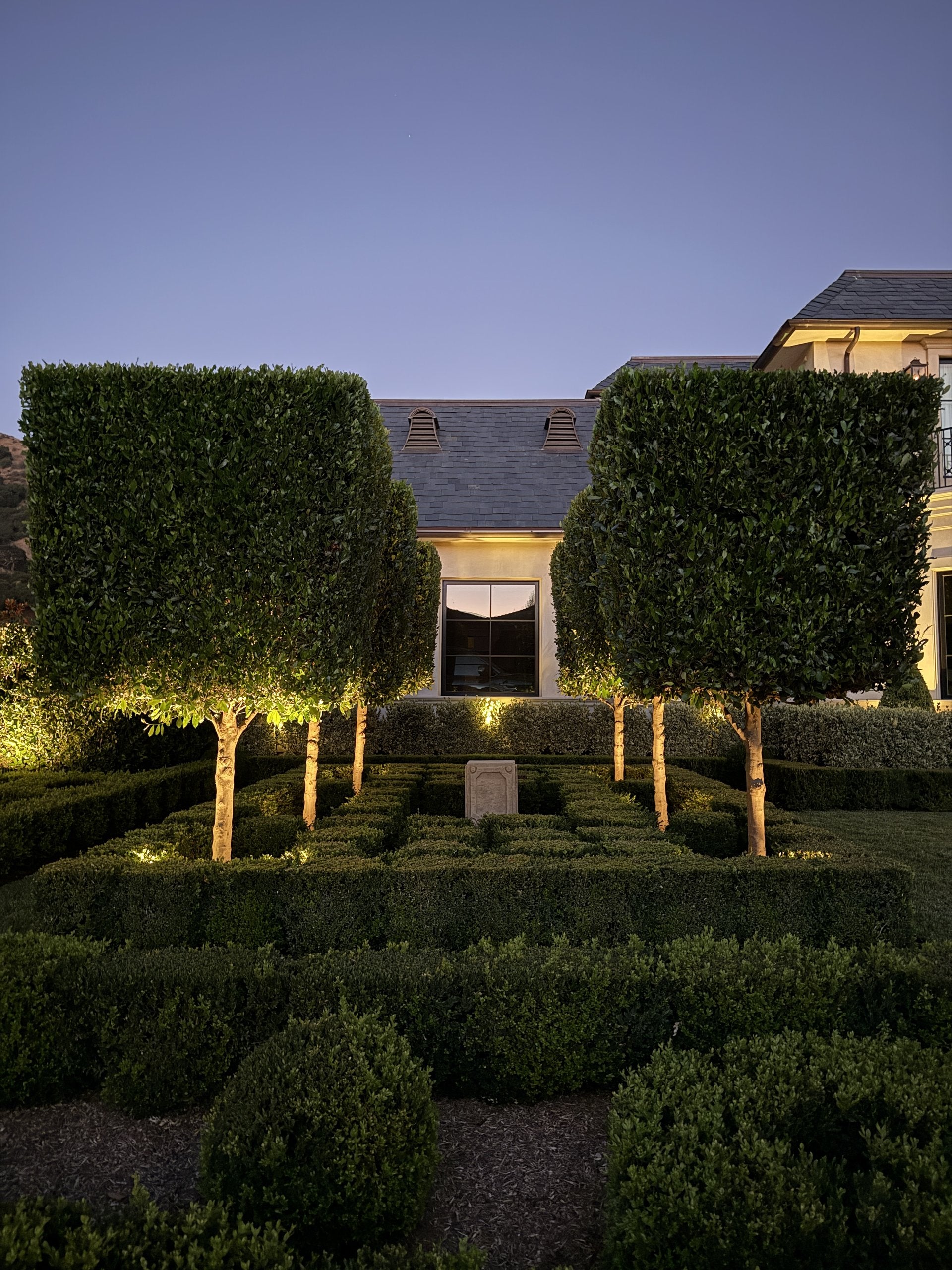
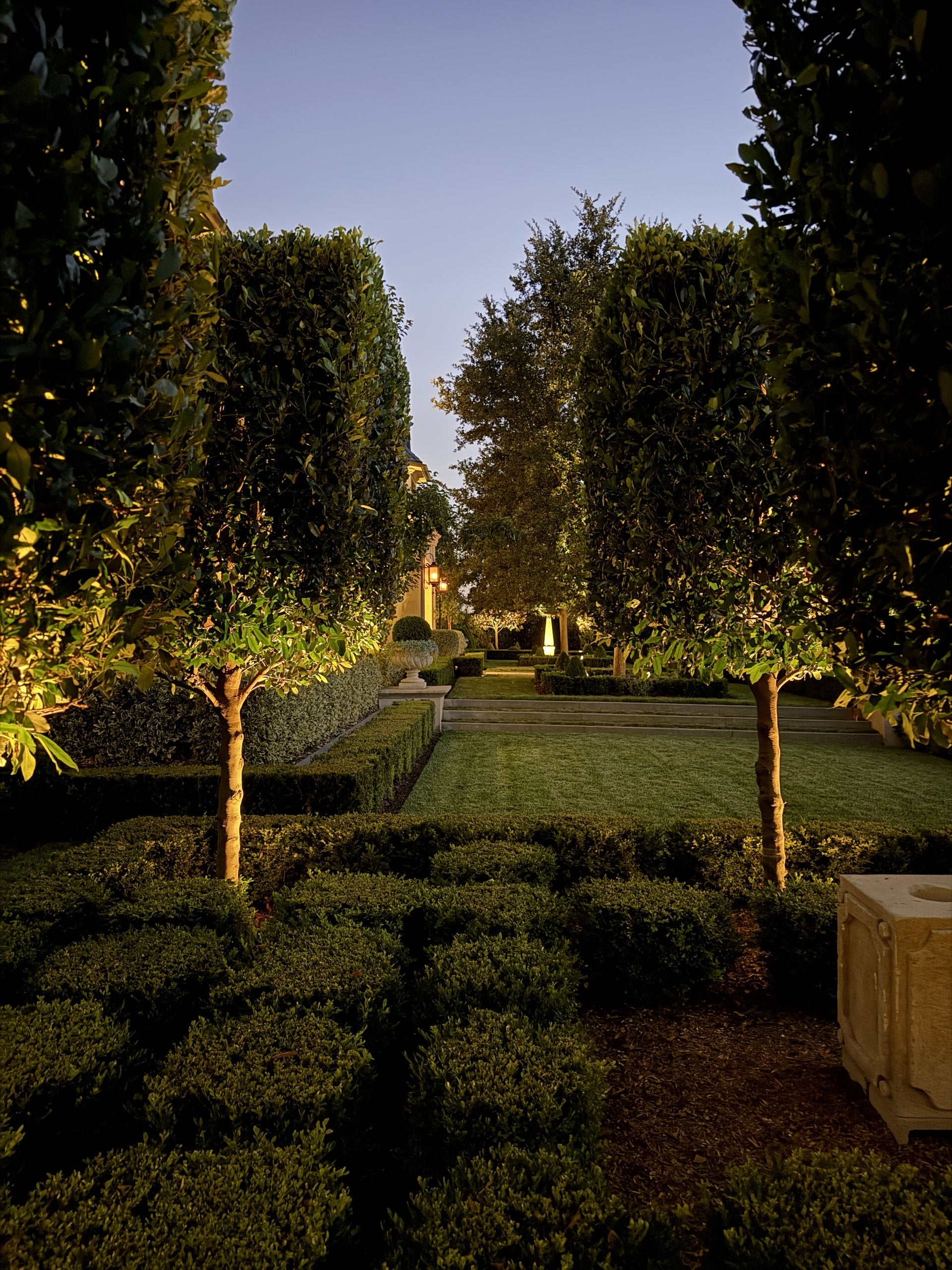
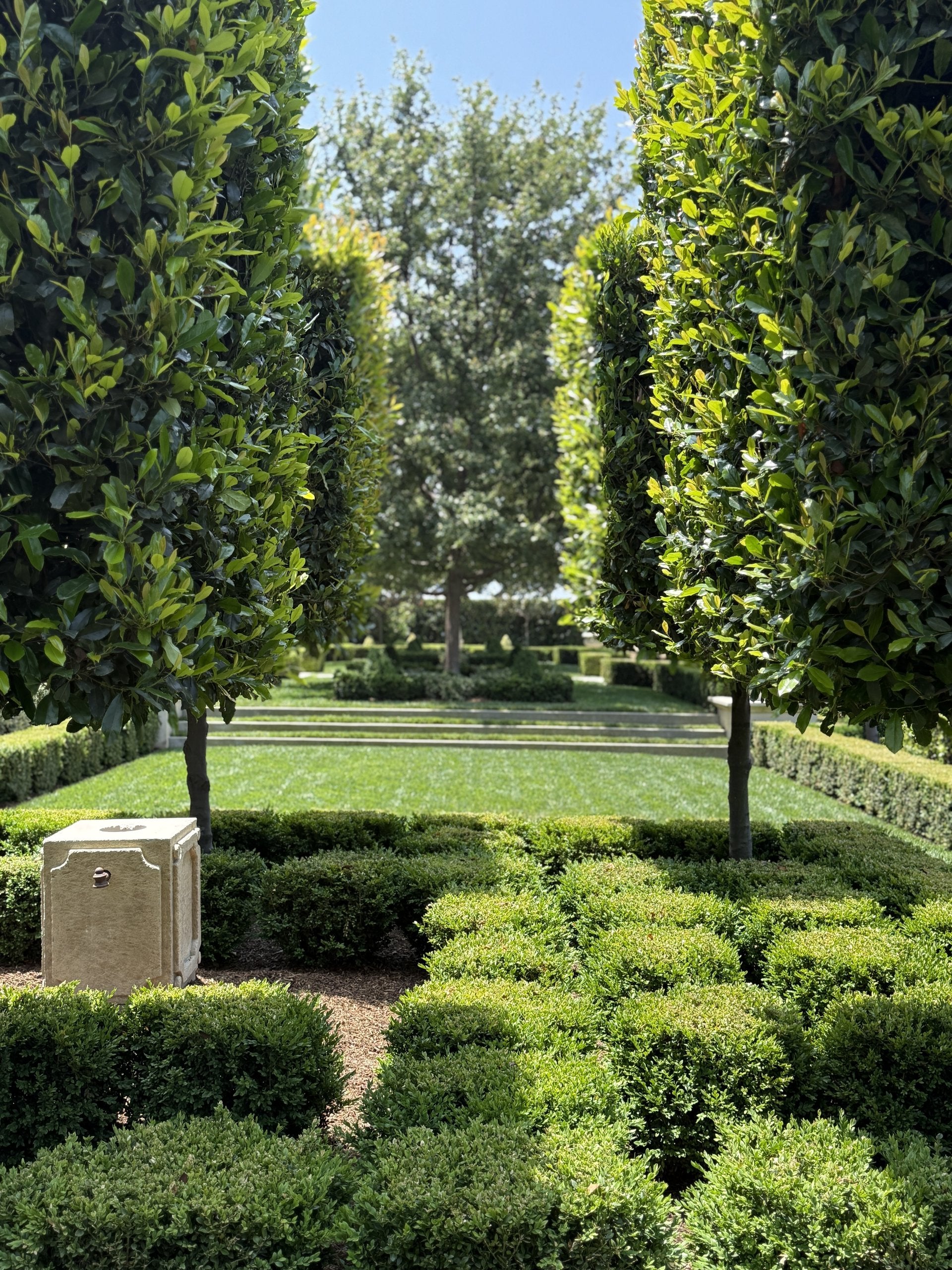
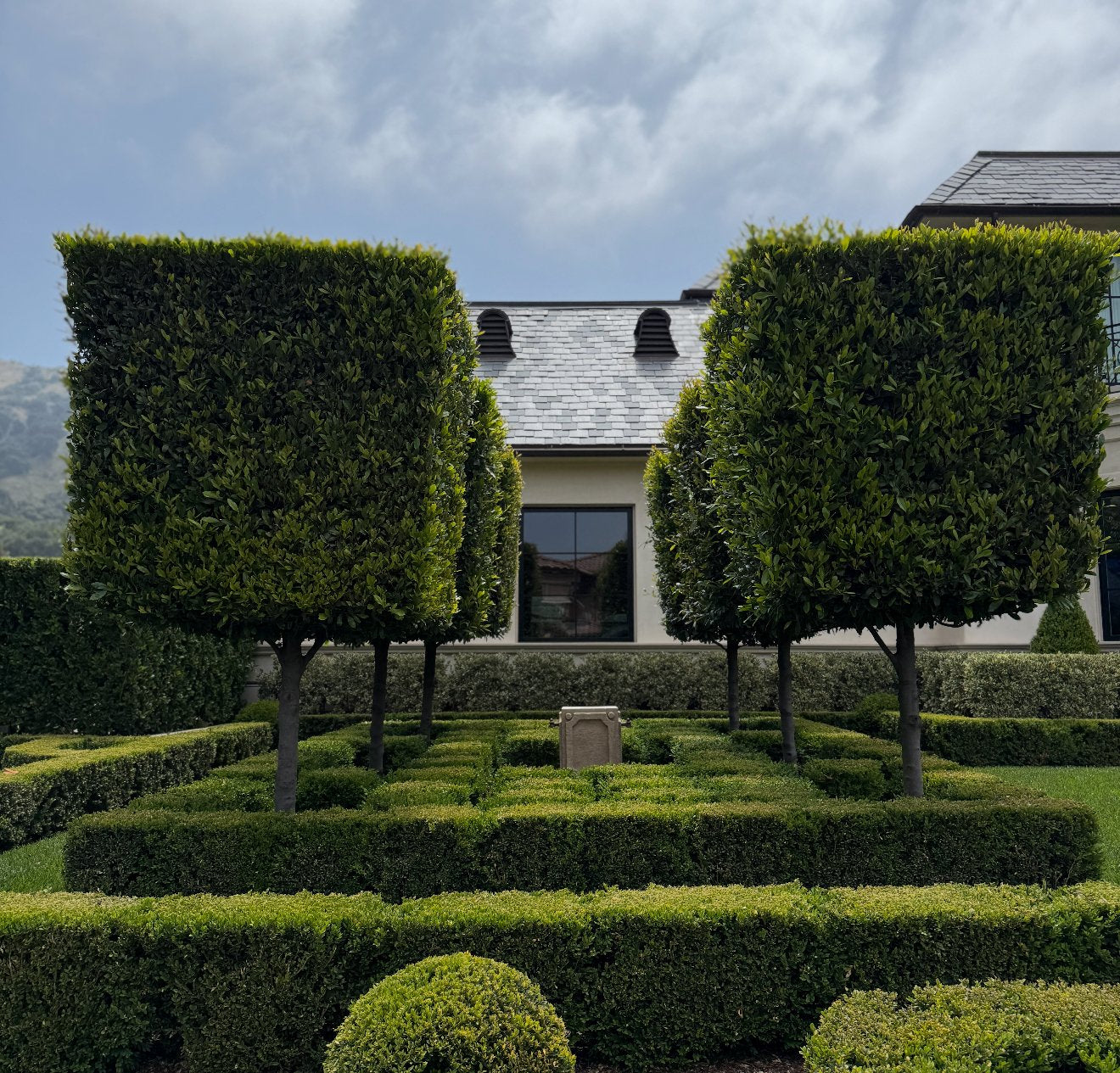
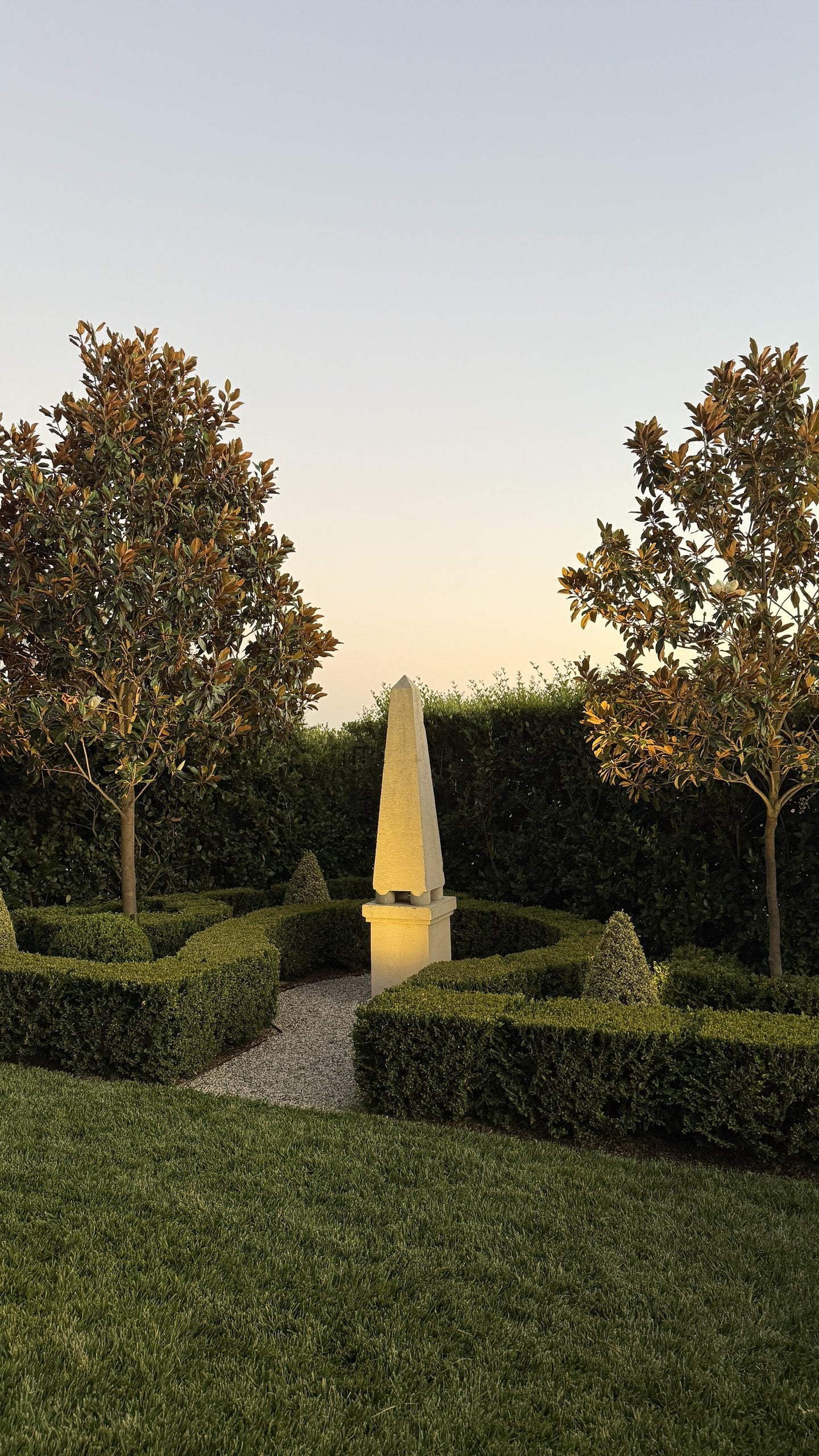
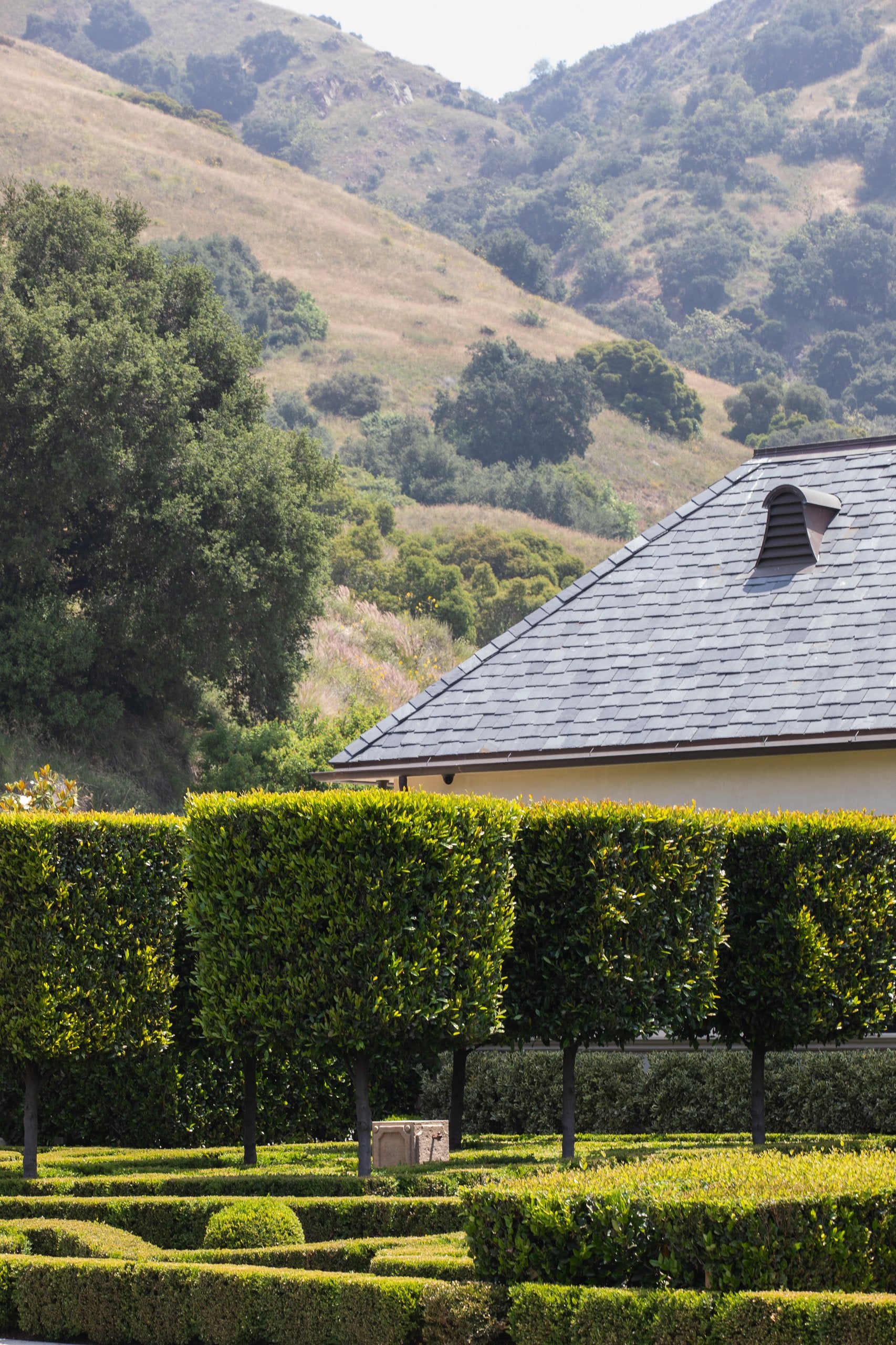
The lower garden is organized as a bosque, defined by a structured grid of trees that establishes rhythm and enclosure. At its center, a stone artifact serves as a quiet focal point, anchoring the space within the larger composition.
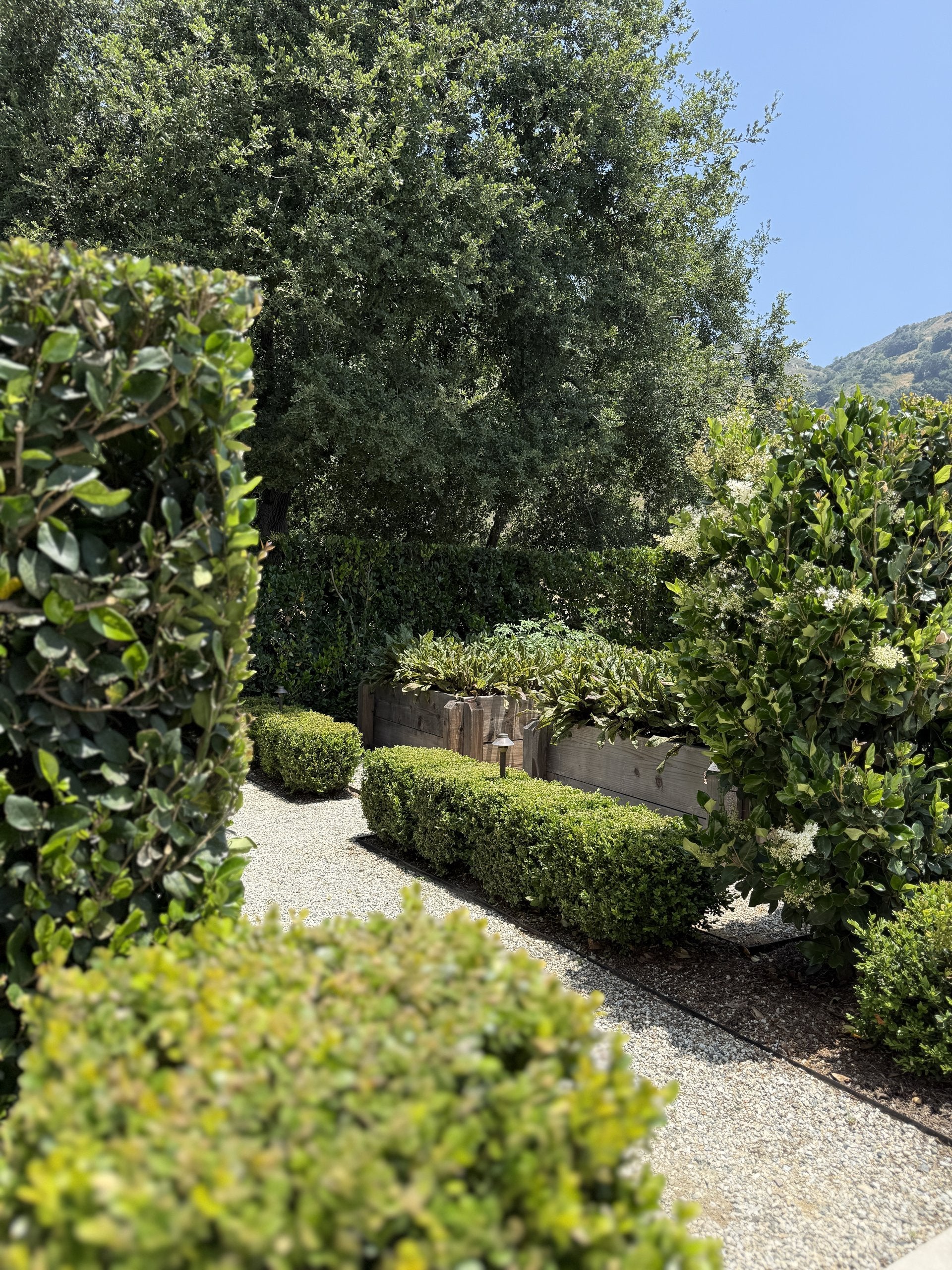
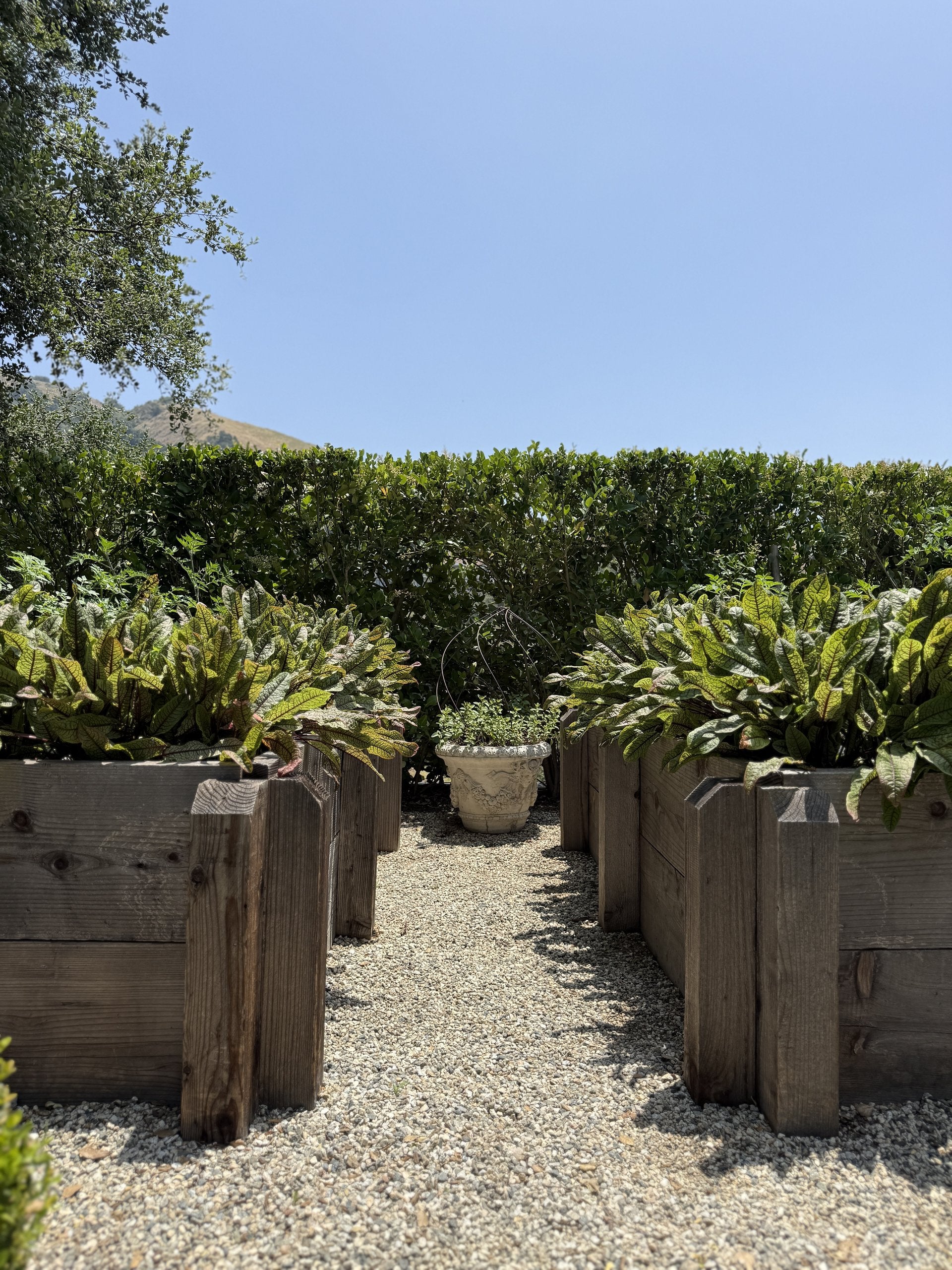
Planting is controlled and intentional, supporting the geometry rather than softening it. The result is a landscape that is composed and legible, where structure, sequence, and proportion work together to create clarity and a sense of expanded scale.
A structured landscape of parterre, axis, and bosque, composed to create clarity, sequence, and a sense of expanded space.
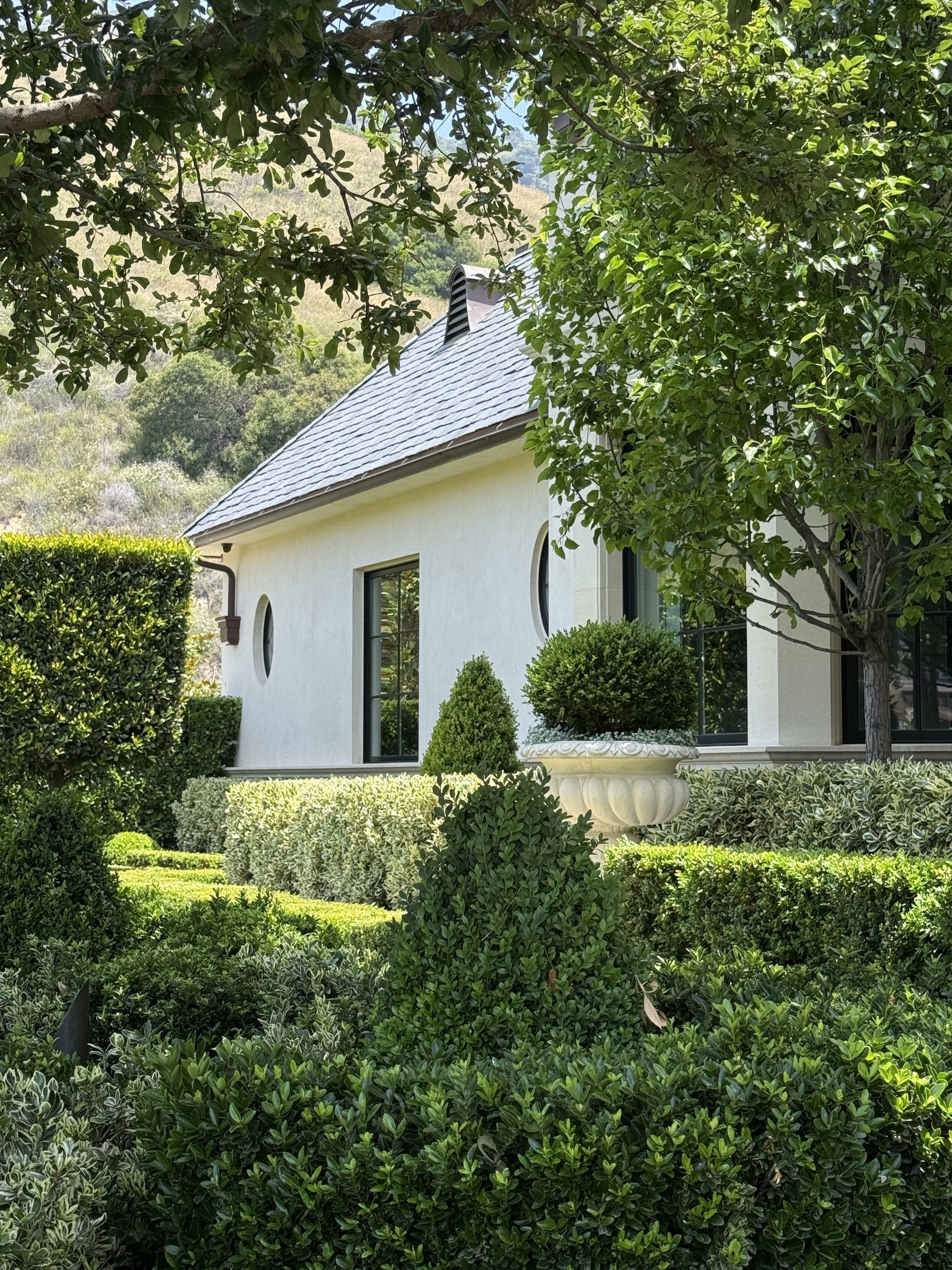
This Glendora residence was developed as a new home, with an architectural language that draws from French precedent through symmetry, proportion, and a restrained formal order. The landscape was conceived to extend and reinforce this structure, establishing a clear sense of arrival and spatial hierarchy at the front of the property.
A primary objective was to create the perception of a larger, more expansive garden. This is achieved through the use of parterre geometry and axial organization, allowing the eye to read depth and repetition rather than physical distance. The entry sequence is composed to feel deliberate and centered, framed by cathedral oaks that introduce vertical structure and a sense of permanence.
Movement through the front garden is defined by a series of lawn steps that read as part of the landscape rather than circulation alone. These transitions guide the experience downward into a more enclosed lower garden, where the spatial character shifts.
The lower garden is organized as a bosque, establishing rhythm and enclosure through a structured grid of trees. At its center, a stone artifact provides a quiet focal point, anchoring the space without competing with the surrounding order. The composition remains restrained, allowing form and proportion to define the experience.
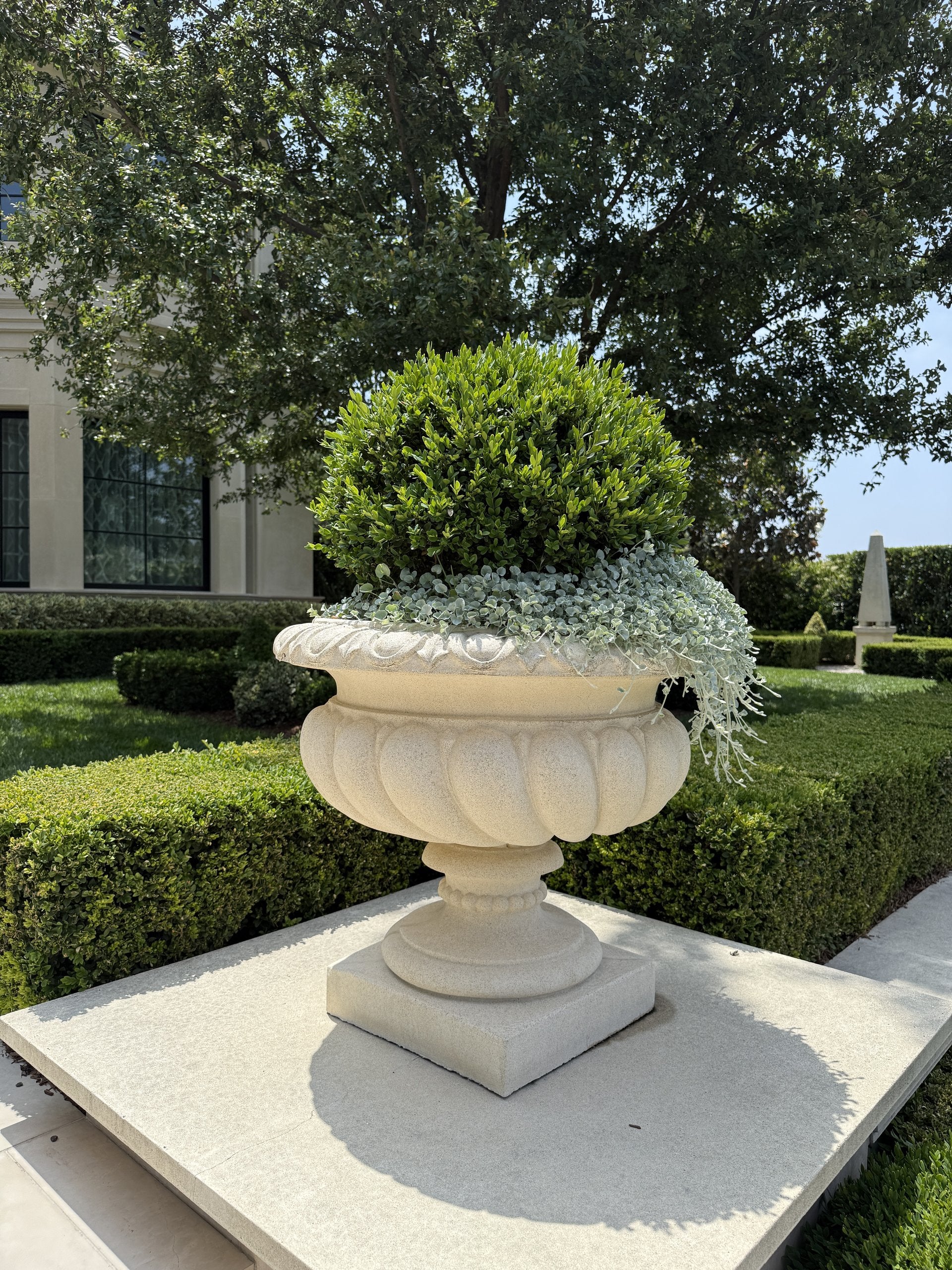
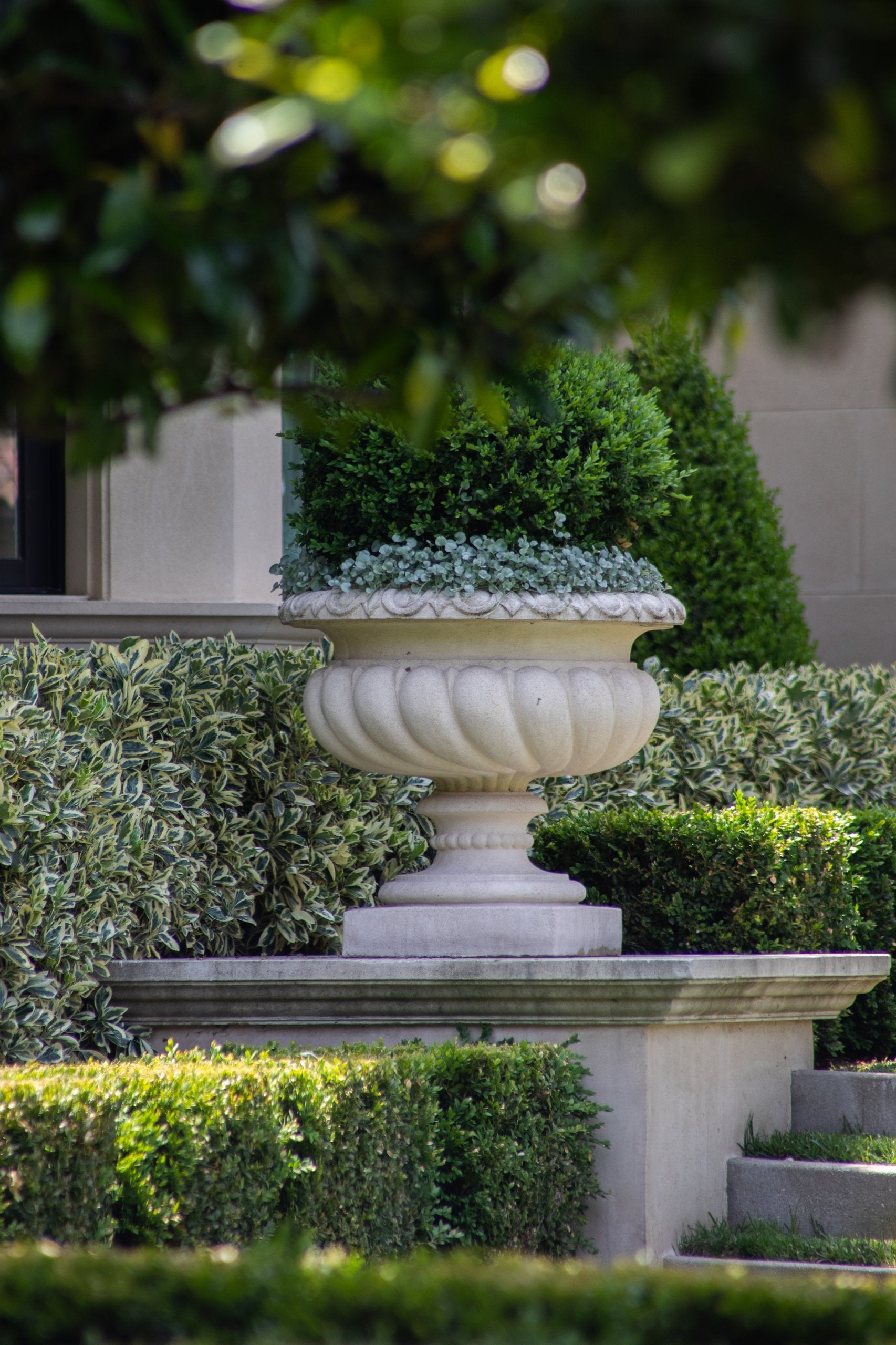
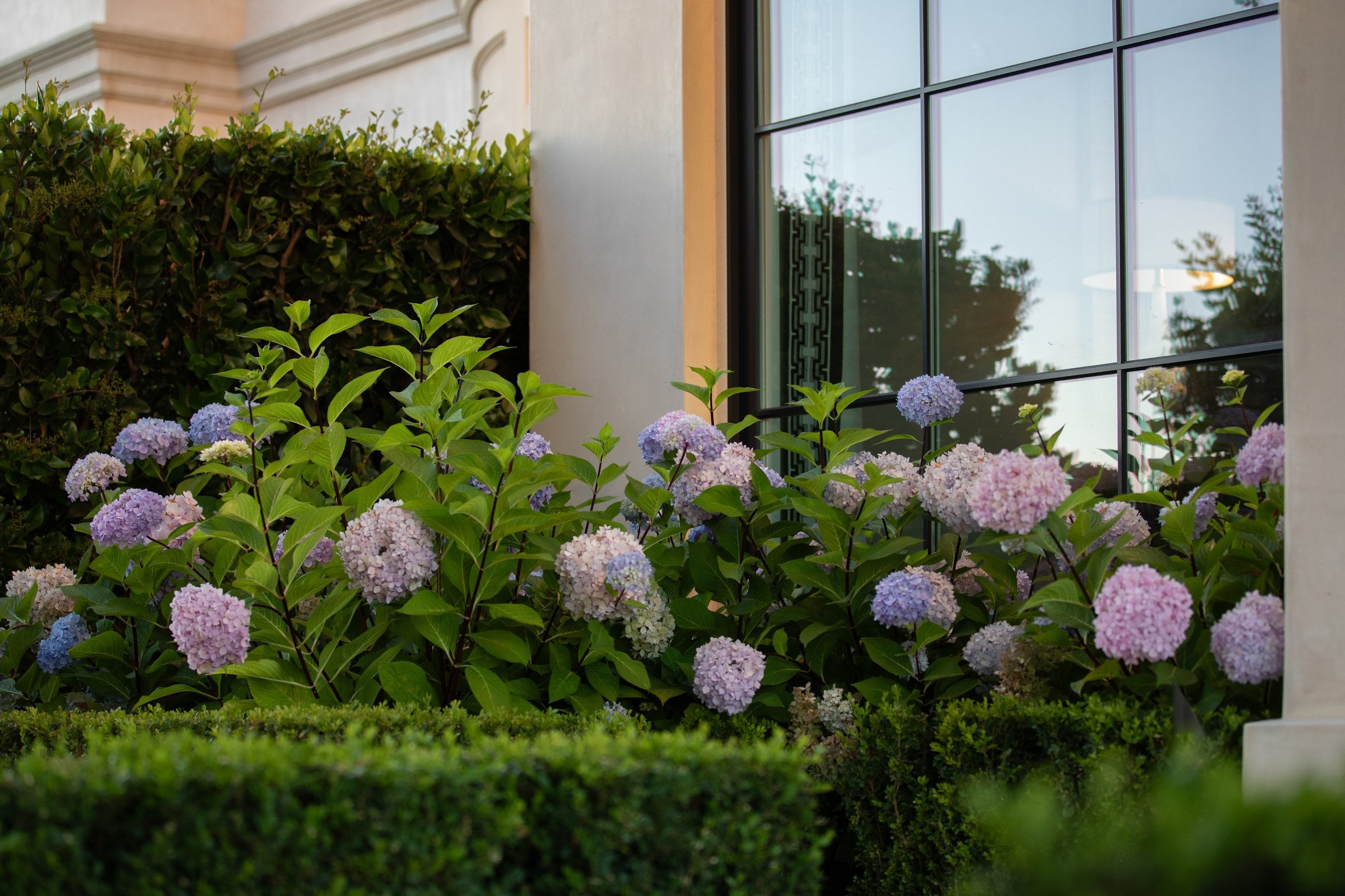
Planting is intentionally controlled, supporting the geometry of the layout rather than softening it. The result is a landscape that feels composed and legible, where structure, sequence, and repetition work together to create a sense of clarity and expanded scale.
Photographer: Erika Bierman photography, Timothy J. Palcic
Choose options